


Causes, Symptoms, and How Chiropractic Care Restores Spinal Function
Facet Joint Syndrome is a common source of neck and low back pain, yet it is often misunderstood or oversimplified.
Many patients are told they have arthritis or wear and tear and are offered symptom based solutions without ever being shown why their spine is painful or what can be done to restore proper function.
From an Above Down Inside Out perspective, facet joint syndrome is not merely a pain condition. It is a problem of spinal movement, joint loading, and nervous system coordination.
Understanding this distinction is critical to long term recovery.
What Is Facet Joint Syndrome?
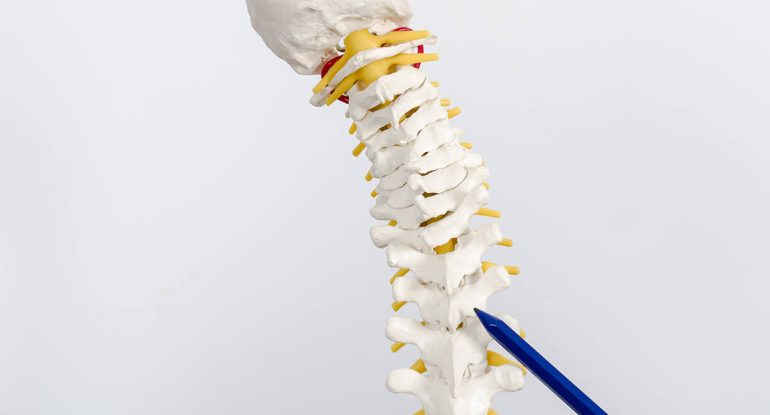
Facet joints are small paired joints located at the back of each spinal segment. Their primary roles are to:
- Guide spinal motion
- Provide stability
- Protect intervertebral discs from excessive stress
- Provide sensory nerve input to brain about the position of the spine
Facet Joint Syndrome develops when these joints become irritated, inflamed, or mechanically overloaded.
Contributing factors often include:
- Repetitive strain or sustained postures
- Poor spinal mechanics or posture
- Loss of normal joint motion
- Previous injury
- Disc degeneration altering load distribution
When facet joints are not moving properly, abnormal stress builds and the nervous system responds with pain and protective muscle tension.
Common Symptoms of Facet Joint Syndrome
Facet joint pain tends to follow predictable patterns.
In the cervical spine:
- Localized neck pain
- Pain worse with looking up or rotating the head
- Headaches originating at the base of the skull
- Upper shoulder or upper back discomfort
In the lumbar spine:
- Localized low back pain
- Pain aggravated by standing or arching backward
- Morning stiffness or stiffness after sitting
- Improvement with gentle forward bending
Why Facet Joints Become Painful
Facet joints are designed to move, glide, and adapt.
They are also richly supplied with sensory receptors that provide the brain with information about:
- Joint position
- Movement direction
- Load and stress
This proprioceptive input is essential for coordinated muscle control and spinal stability.
When spinal movement becomes restricted or imbalanced:
- Facet joints bear abnormal forces
- Local inflammation increases
- Muscles tighten to protect the area
- Pain signals increase
This response is not a failure of the body.
It is a protective response driven by the nervous system.
Above Down Inside Out Thinking and Facet Joint Syndrome
Conventional care often approaches facet joint pain from an Outside In model:
- Anti inflammatory medication
- Injections to numb pain
- Procedures designed to silence nerve signals
While these approaches may reduce symptoms, they do not restore normal joint motion or improve nervous system coordination.
The Above Down Inside Out approach asks a different question:
How can spinal function be restored so the nervous system no longer needs to generate pain?
Pain is not the enemy.
It is information.
How Chiropractic Care Helps Facet Joint Syndrome
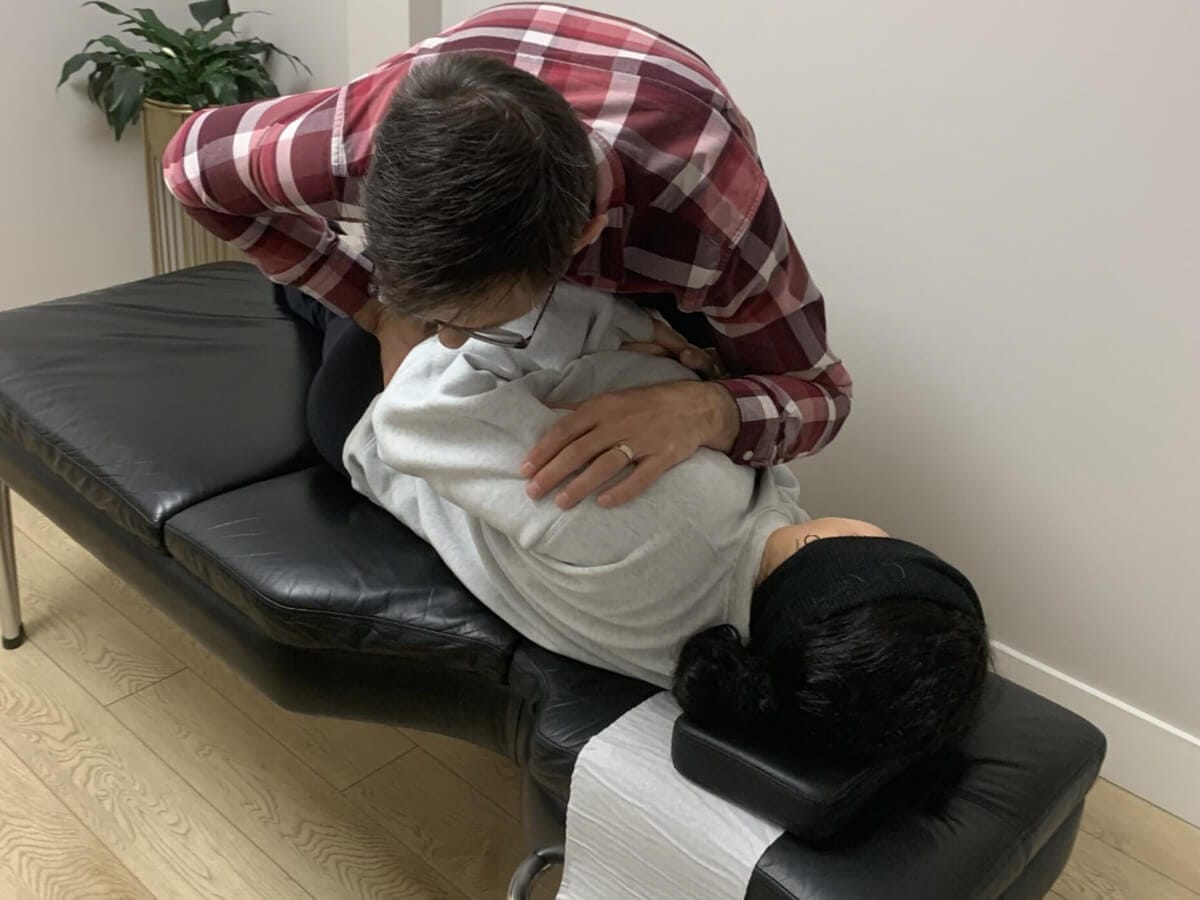
Chiropractic care focuses on restoring normal spinal motion and improving communication between the spine and the nervous system.
When appropriately applied, Chiropractic adjustments may:
- Improve facet joint mobility
- Reduce abnormal joint loading
- Normalize muscle tone
- Enhance proprioceptive input
- Improve movement based joint nutrition
Rather than silencing nerves, Chiropractic care aims to optimize the quality of information traveling through them.
This allows the body to regulate tension, inflammation, and movement more effectively.
Learn more about our approach to Chiropractic care and how it supports spinal and nervous system health.
Why Restoring Motion Matters More Than Masking Pain
Facet joints depend on motion for:
- Joint lubrication
- Nutrient exchange
- Long term joint health
When pain is masked without restoring motion:
- Stiffness often increases
- Degenerative changes may progress
- Muscle coordination deteriorates
- Symptoms frequently return
Chiropractic care supports the spine’s natural design by restoring movement where it has been lost, without forcing or overpowering tissues.
For patients with combined facet and disc involvement, understanding the interaction between joints and discs is essential. You can read more about our approach to disc injury assessment and care here.
Common Patient Questions About Facet Joint Syndrome
Is facet joint syndrome the same as arthritis?
Facet joint syndrome may involve arthritic changes, but pain is more closely related to joint function and movement quality than imaging findings alone.
Many people have arthritis without pain, and many people with pain show minimal degenerative change on imaging.
Can facet joint syndrome improve without injections?
Yes. When mechanical stress is reduced and movement is restored, facet joints can calm and function more efficiently.
Improvement does not require numbing the joint. It requires restoring how it moves and loads.
Do facet joint injections fix the cause?
Injections may reduce inflammation or pain temporarily, but they do not restore joint motion or improve neuromuscular control.
They manage symptoms rather than addressing the underlying dysfunction.
How long does Chiropractic care take to help?
This depends on how long the condition has been present, movement habits, posture, and overall spinal health. Remember, your body is doing the healing, not the Chiropractor. All the Chiropractor is doing is restoring proper movement in those joints, so that your spine is able to heal itself.
Many patients notice improvement within weeks when care is combined with education and movement awareness.
Is Chiropractic safe for facet joint pain?
When properly assessed and delivered, Chiropractic care is considered a safe, conservative option for facet joint syndrome.
Care is always tailored to the individual and delivered using appropriate force techniques.
A Functional Perspective on Facet Joint Pain
Facet Joint Syndrome is not simply wear and tear.
It is often the result of:
- Reduced spinal motion
- Altered load distribution
- Nervous system compensation
Chiropractic care works with the body by restoring motion, improving communication, and allowing healing to occur from the inside out.
Peer Reviewed References
- Bogduk N.
The innervation of the lumbar spine.
Spine. 1983. - Freeman MA, Wyke B.
The innervation of the lumbar intervertebral disc.
Journal of Bone and Joint Surgery Br. 1967. - Panjabi MM.
The stabilizing system of the spine. Part I and II.
Spine. 1992. - Schwarzer AC, Wang SC, O’Driscoll D, et al.
The ability of computed tomography to identify a painful facet joint in patients with chronic low back pain.
Spine. 1995. - Riemann BL, Lephart SM.
The sensorimotor system. Part I: The physiologic basis of functional joint stability.
Journal of Athletic Training. 2002. - McGill SM.
Low Back Disorders: Evidence Based Prevention and Rehabilitation.
Human Kinetics.
Final Thought
The spine is not designed to be numb.
It is designed to move, sense, and adapt.
When facet joints hurt, the goal should not be to silence them, but to understand why they are sending signals.
Restoring function allows the nervous system to do what it does best: regulate, adapt, and heal.
Considering Chiropractic Care for Facet Joint Syndrome?
If you are in the Kitchener, Waterloo, or Cambridge area and dealing with neck or low back pain related to facet joint dysfunction, a comprehensive Chiropractic assessment can help determine whether care is appropriate for you.
Understanding how your spine moves is often the first step toward lasting relief.
Author
Dr. Nik Dukovac, B.Sc., D.C.
Chiropractor | Fairway Chiropractic CentreDr. Nik Dukovac is a Chiropractor serving the Kitchener–Waterloo–Cambridge community with a focus on restoring spinal function and nervous system health. His approach emphasizes appropriate force Chiropractic adjustment, detailed assessment, and conservative care strategies that support long term movement, stability, and resilience.
Guided by the principle that the power that made the body heals the body, Dr. Nik helps patients understand why their symptoms occur and how improving spinal function can support lasting recovery.