


What Patients in Kitchener Waterloo and Cambridge Should Know Before Considering an Artificial Disc
If you have been diagnosed with a damaged spinal disc or degenerative disc disease, you may have come across disc replacement surgery, also known as artificial disc replacement.
Many patients researching this option are looking for long term relief while hoping to avoid spinal fusion. Others are simply trying to understand whether surgery is truly necessary.
This article answers the most common and most searched questions about disc replacement surgery and explains why non surgical spinal decompression is often the safest first step for disc related back and neck pain.
What Is Disc Replacement Surgery?
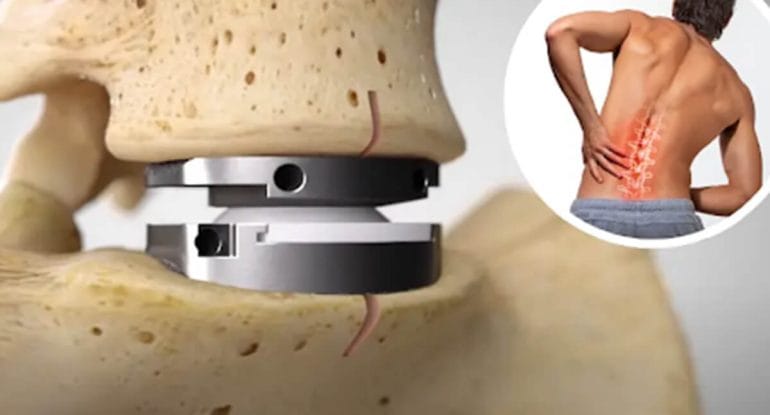
Disc replacement surgery involves removing a damaged spinal disc and replacing it with an artificial disc made of metal and medical grade plastic components.
Unlike spinal fusion, which permanently joins two spinal bones together, disc replacement is designed to preserve motion at that spinal level.
Disc replacement is most commonly performed in the neck and less commonly in the lower back due to higher mechanical demands in the lumbar spine.
What Are the Risks of Disc Replacement Surgery?
Disc replacement is major spinal surgery and carries meaningful risks.
These include infection, nerve injury, blood vessel injury, implant movement or failure, persistent pain, and the potential need for revision surgery.
Once an artificial disc is implanted, it permanently alters spinal anatomy. Revision surgery, if required, is often more complex than the original procedure.
What Other Types of Disc Surgery Are There?
Disc replacement is only one surgical option. Other disc related surgeries include:
Discectomy, where disc material pressing on a nerve is removed
Laminectomy, where bone is removed to create space for spinal nerves
Spinal fusion, where two vertebrae are permanently joined
Hybrid procedures combining fusion and disc replacement
Each option has specific indications, risks, and long term consequences.
Should I Consider Disc Replacement for My Back?
Disc replacement surgery is appropriate for only a small percentage of patients.
It is generally considered only when there is clear disc pathology, persistent symptoms despite extensive conservative care, no spinal instability, and no advanced arthritis or multi level degeneration.
Many patients in Kitchener Waterloo and Cambridge are surprised to learn that disc bulges or degeneration seen on MRI do not automatically mean surgery is required.
Are There Safer Alternatives I Should Try First?
In most cases, yes.
Clinical guidelines consistently recommend conservative care before surgical intervention for disc related pain.
Non Surgical Spinal Decompression Therapy
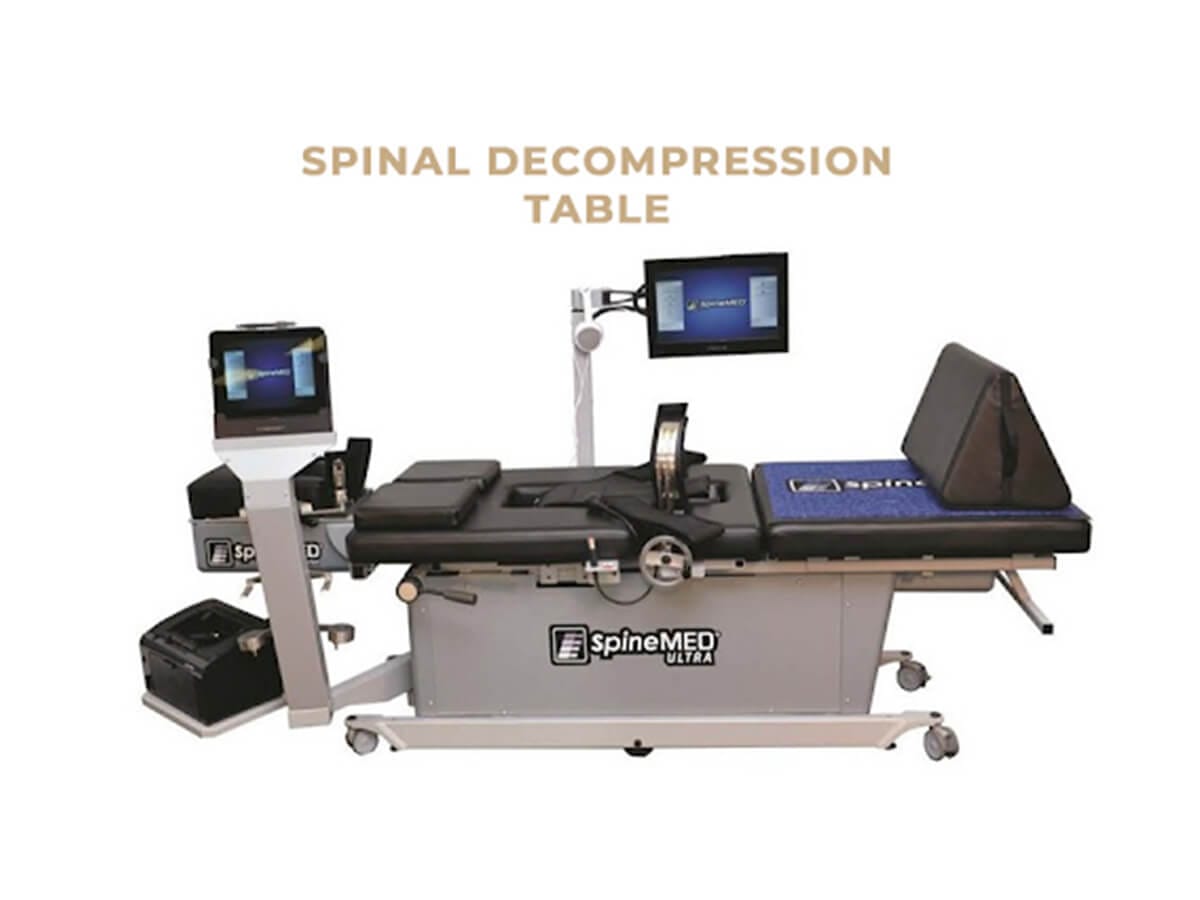
Non surgical spinal decompression therapy uses controlled mechanical traction to reduce disc pressure, improve nutrient exchange, and support disc healing without surgery.
At the Disc Repair Clinic, a division of Fairway Chiropractic Centre, spinal decompression is commonly used for disc bulges, herniations, degenerative disc disease, and chronic disc related pain.
This approach is non invasive, preserves natural anatomy, and carries far fewer risks than surgery.
Chiropractic Care and Spine Focused Rehabilitation
Appropriate force Chiropractic care can improve spinal motion, reduce nerve irritation, and support overall nervous system function when tailored to disc injuries.
Rehabilitation focused on spinal stability, posture, and load management is essential. This approach aligns closely with the research and clinical principles developed by Dr. Stuart McGill for disc herniation rehabilitation.
The Bottom Line
Disc replacement surgery can be beneficial for a narrow group of patients, but it should not be the first step for most people with disc related pain.
For many patients in the Kitchener Waterloo Cambridge region, non surgical spinal decompression and structured spine rehabilitation provide meaningful improvement without the risks of surgery.
Before committing to permanent spinal implants, it is worth asking:
Have all appropriate non surgical options truly been explored?
Considering Your Next Step?
If you have been diagnosed with a disc problem and are researching disc replacement surgery, a consultation can help determine whether non surgical spinal decompression or conservative spine care may be appropriate first.
Learn more about your options at:
https://fairwaychiropractic.com/disc-repair-clinic
Or book a consultation to review your case and imaging with a Chiropractor focused on disc rehabilitation.
References
- Zigler JE, Delamarter RB. Five year results of the ProDisc L lumbar disc replacement. Spine. 2012.
- Phillips FM et al. Long term outcomes of cervical disc arthroplasty versus fusion. Spine Journal. 2013.
- McGill SM. Low Back Disorders. Human Kinetics. 2016.
- Weinstein JN et al. Surgical versus nonoperative treatment for lumbar disc herniation. New England Journal of Medicine. 2006.
- U.S. National Library of Medicine. Artificial intervertebral disc replacement. PubMed.
https://pubmed.ncbi.nlm.nih.gov - University of Washington Orthopaedics. Artificial disc replacement overview.
https://orthop.washington.edu
Author
Dr. Nik Dukovac, B.Sc., D.C.
Chiropractor | Fairway Chiropractic CentreDr. Nik Dukovac is a Chiropractor serving the Kitchener Waterloo Cambridge community with a focus on personalized, evidence based spine care. He has advanced training in spinal neurobiomechanics and extensive experience working with patients experiencing disc herniations, degenerative disc disease, and persistent back and neck pain.
Dr. Dukovac has trained under Dr. Stuart McGill, a leading authority in spine biomechanics and disc rehabilitation, and applies these principles daily to help patients recover function, improve spinal stability, and avoid unnecessary surgery whenever possible.