



More Than Just a “Bump on the Head”
A concussion, or mild traumatic brain injury (mTBI), often results from a sudden acceleration-deceleration force (or direct impact) that causes the brain to shift within the skull. But what is less appreciated is how frequently the cervical spine (neck) is also stressed or injured in that same event.
In many concussion episodes—especially in vehicle collisions, contact sports, or falls—a whiplash mechanism (rapid forward-backward motion of the head and neck) occurs simultaneously. When that happens, symptoms attributed to a concussion can overlap significantly with symptoms from cervical injury.
This intersection is where chiropractic care may play a supportive, integrative role—not as a standalone “cure” for concussion, but as part of a broader recovery plan, especially when neck injury coexists.
In what follows, we’ll explore:
- The overlap between concussion and whiplash
- How chiropractic care might help during concussion recovery (especially in cases with cervical involvement)
- A suggested framework for integrating chiropractic alongside medical concussion care
- Key take-home messages

Concussion and Whiplash: The Overlapping Injury Spectrum
Shared biomechanics and symptom overlap
- A 2021 systematic review observed that there are no clear boundaries between mild traumatic brain injury and whiplash-associated disorder (WAD), because they share many overlapping features—pain, stiffness, cognitive symptoms, altered proprioception, and joint dysfunction in the cervical spine. (ChiroTrust)
- In fact, concussion-related symptoms such as headaches, dizziness, neck pain, stiffness, balance problems, and visual disturbances also commonly arise in cervical injury. (BioMed Central)
- In sports-related concussion literature, clinicians are increasingly urged to use a “Recognise, Remove, Refer” framework—i.e. identify concussion, remove the athlete from play, and refer for comprehensive evaluation. Within that, evaluating the cervical spine is critical. (BioMed Central)
Thus, when someone presents with suspected concussion, it is wise to ask: Are we seeing real brain-driven symptoms only, or is there a mechanical injury to the neck contributing to their condition?
Why the neck matters: proprioception, neurosensory input, sensorimotor integration
When cervical joints, muscles, ligaments, or neural tissues are disrupted, the signals they normally send into the central nervous system (CNS) can be altered. Some relevant considerations:
- The neck is rich in proprioceptors (sensory receptors that communicate joint position, motion, muscle length/tension, etc.). Any disruption can degrade sensorimotor integration, balance, and spatial orientation. (ChiroTrust)
- Dysfunction in the cervical spine may distort the information the brain receives about head/neck position relative to the body. This could intensify dizziness, unsteadiness, or visual disturbance after concussion. (ChiroTrust)
- If a whiplash injury has induced joint dysfunction (e.g. “fixations”), muscular imbalance, or soft tissue strain, these may perpetuate pain, stiffness, and other symptoms that complicate or slow recovery.
So—even if the primary injury is to the brain—there is a plausible pathway by which cervical dysfunction can worsen or prolong symptoms.
A useful metaphor: imagine sensors in your neck and musculoskeletal system feeding data to a central “control center” (your brain). If the sensors are damaged, the control center’s corrections may be off, leading to maladaptive responses (pain, tension, poor coordination). Addressing faulty sensors may mitigate that burden.
How Chiropractic May Support Concussion Recovery (in Cases with Neck Involvement)
Before diving into approaches, an important caveat: chiropractic care is not a replacement for medical concussion management (e.g. neurological oversight, imaging, return-to-play protocols). But when used appropriately and in concert with concussion specialists, chiropractic techniques may help relieve secondary musculoskeletal contributions.
Below are some ways chiropractic may offer support:
a) Assessment, differential diagnosis, and referral
A competent chiropractor experienced with concussion should:
- Screen for “red flags” (e.g. worsening headache, vomiting, focal neurologic signs) and refer urgently when needed
- Distinguish symptoms attributable to the brain vs. symptoms likely mediated by cervical dysfunction
- Assess cervical range of motion, segmental joint mobility, muscular tension, postural alignment, and neuromotor control
- Collaborate with concussion clinics or medical professionals regarding return-to-play/work decisions (in jurisdictions where chiropractors are allowed to co-manage) (OCA)
In Ontario, for example, chiropractors are recognized as part of the interprofessional “circle of care” in concussion management; they can assist with neck/back issues and make informed referrals. (OCA)
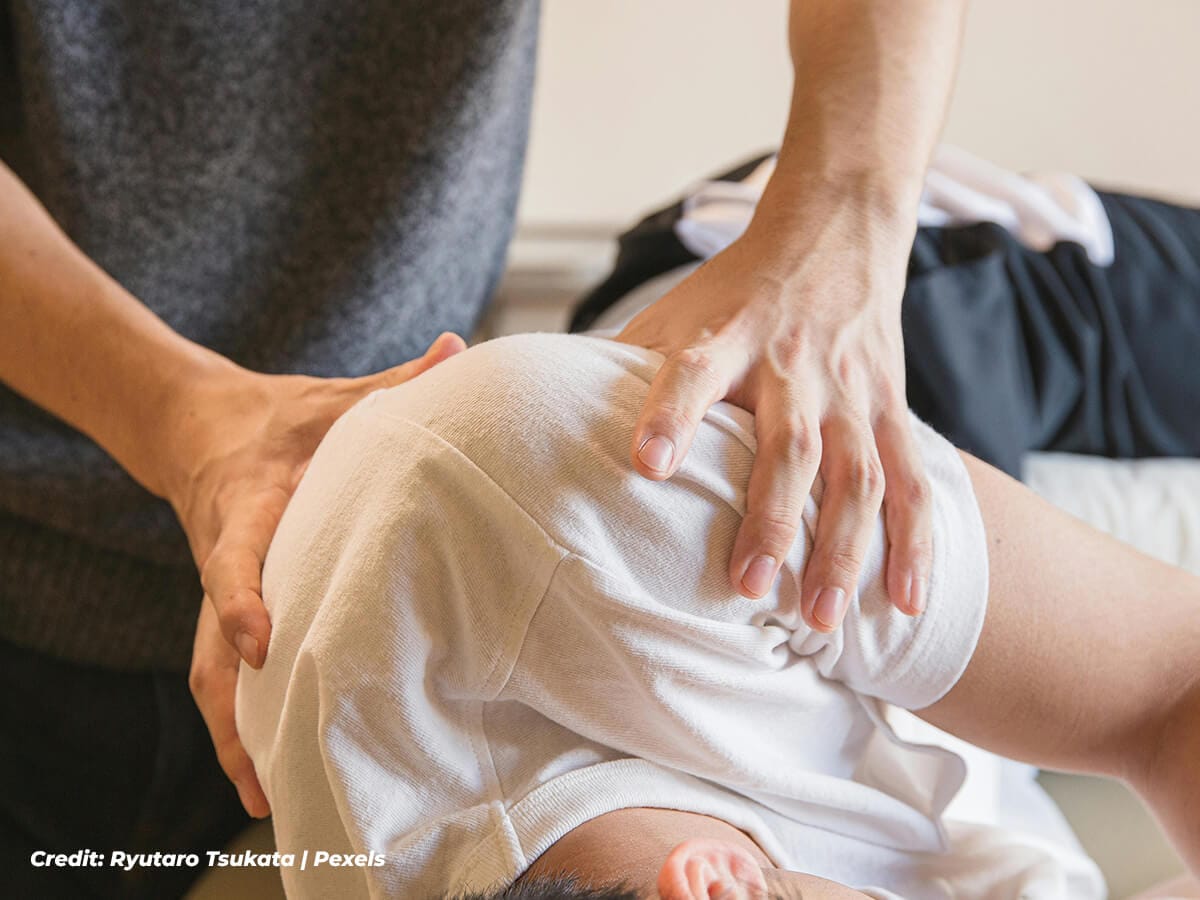
b) Manual therapies and adjustments to the cervical spine
When a chiropractor determines that certain cervical joints or segments are stiff, misaligned, or dysfunctional, appropriate manual therapy may help:
- Spinal Chiropractic Adjustmensts (often high-velocity low-amplitude, or HVLA, when safe) to restore motion in hypomobile cervical segments
- Gentle mobilization techniques where HVLA is contraindicated
- Soft-tissue work: myofascial release, trigger point therapy, muscle energy techniques, stretching
- Cranio-cervical techniques (if the practitioner is skilled in upper cervical work)
A case report documented a 15-year-old male with post-concussion syndrome and whiplash who underwent 10 chiropractic treatments over 8 weeks. His symptoms of neck pain, dizziness, and headache improved. (Parker Journal)
c) Rehabilitative exercises, sensorimotor retraining, and collaboration
Other strategies a chiropractor might integrate:
- Cervical stabilization exercises (deep neck flexor activation, scapular control)
- Proprioceptive training: e.g. joint repositioning drills, head-eye coordination exercises
- Vestibular-ocular rehabilitation (in collaboration with physiotherapists or vestibular therapists)
- Postural correction, ergonomic advice, and graded return to activities
- Education on pacing, rest, and cognitive load management
d) Symptom modulation: reducing pain, stiffness, and neuromuscular strain
By alleviating pain, muscle guarding, and joint stiffness in the neck, chiropractic care may:
- Reduce the mechanical “noise” feeding into the nervous system
- Allow the brain to focus more resources on healing rather than suppressing secondary pain signals
- Improve comfort, range of motion, and ability to engage in other rehab modalities (vestibular therapy, balance training, etc.)
Thus, chiropractic care may function like a supporting actor in the recovery ensemble.
A Practical Integration Framework: How Chiropractic Could Fit Into a Concussion Recovery Plan
Below is a suggested flow (adapt according to your locale, regulation, and team setup):
- Initial medical evaluation
- Neurologist, sports medicine, ER, or concussion clinic
- Imaging and baseline cognitive/vestibular tests
- Baseline cervical assessment (by Chiropractor)
- Evaluate neck motion, muscle tone, joint mobility, proprioception
- Referral decision
- If cervical involvement is suspected, chiropractor enters the care team
- If red flags or worsening symptoms, immediate medical referral
- Coordinated management plan
- Chiropractor addresses cervical dysfunction via manual therapy and exercise
- Concurrent vestibular/ocular rehab, cognitive pacing, rest, nutrition
- Clear communication with medical/concussion team
- Monitoring & progression
- Track symptom changes (headache, dizziness, neck pain, visual disturbances)
- Adjust interventions as healing progresses
- At suitable milestones, phase into full return-to-activity plans
- Maintenance and preventive strategy
- Strengthening, mobility, neuromotor drills
- Education on injury prevention, posture, recovery techniques
In this model, chiropractic does not “take over” concussion care, but rather fills a specialized niche in managing cervical contributions.
If you want to know more about if Chiropractic care could help you or someone you know suffering from a concussion, don’t hesitate to contact us. We serve Kitchener, Waterloo, Cambridge and surrounding areas. We care for several sports teams for both performance and recovery.
Call us: 519-748-5535 or book to request an appointment online at: https://fairwaychiropractic.com/appointment/.