



Why Chiropractic, Posture, and Movement Habits Matter More Than You Think
If you live in Kitchener, Waterloo, or Cambridge and feel like your back pain keeps coming back no matter what you do, you’re not alone.Many people reach a point where they say:
“I’ve tried treatment. I’ve rested. I’ve stretched. I’ve done physio or massage. Why does my back still flare up?”The answer is rarely about one muscle, disc, or joint.
It’s almost always about resilience. Meaning, how much can your back handle before the pain returns.
Back Pain Comes Back When the System Is Vulnerable
Most recurring back pain is not caused by a brand-new injury each time. It’s the result of accumulated physical stress that the body can no longer compensate for.Common patterns we see in our Kitchener–Waterloo–Cambridge patients include:
- Spinal joints that are stiff, misaligned, or moving poorly
- Muscles that are strong but poorly coordinated
- Postural habits that quietly overload the spine
- Repetitive movement patterns performed day after day
- The nervous system constantly adapting under stress
Pain may settle temporarily, but if spinal function and daily habits don’t change, the system remains fragile.
What “Resilience” Really Means for Your Back
Resilience is your body’s ability to:
- Handle daily physical stress without breaking down
- Adapt to work, sitting, lifting, and life stress
- Recover quickly when something does flare up
A resilient spine doesn’t mean nothing ever hurts.
It means small stresses don’t turn into big problems.This is where Chiropractic care plays a powerful role.
The Power of Chiropractic: Restoring the Control System
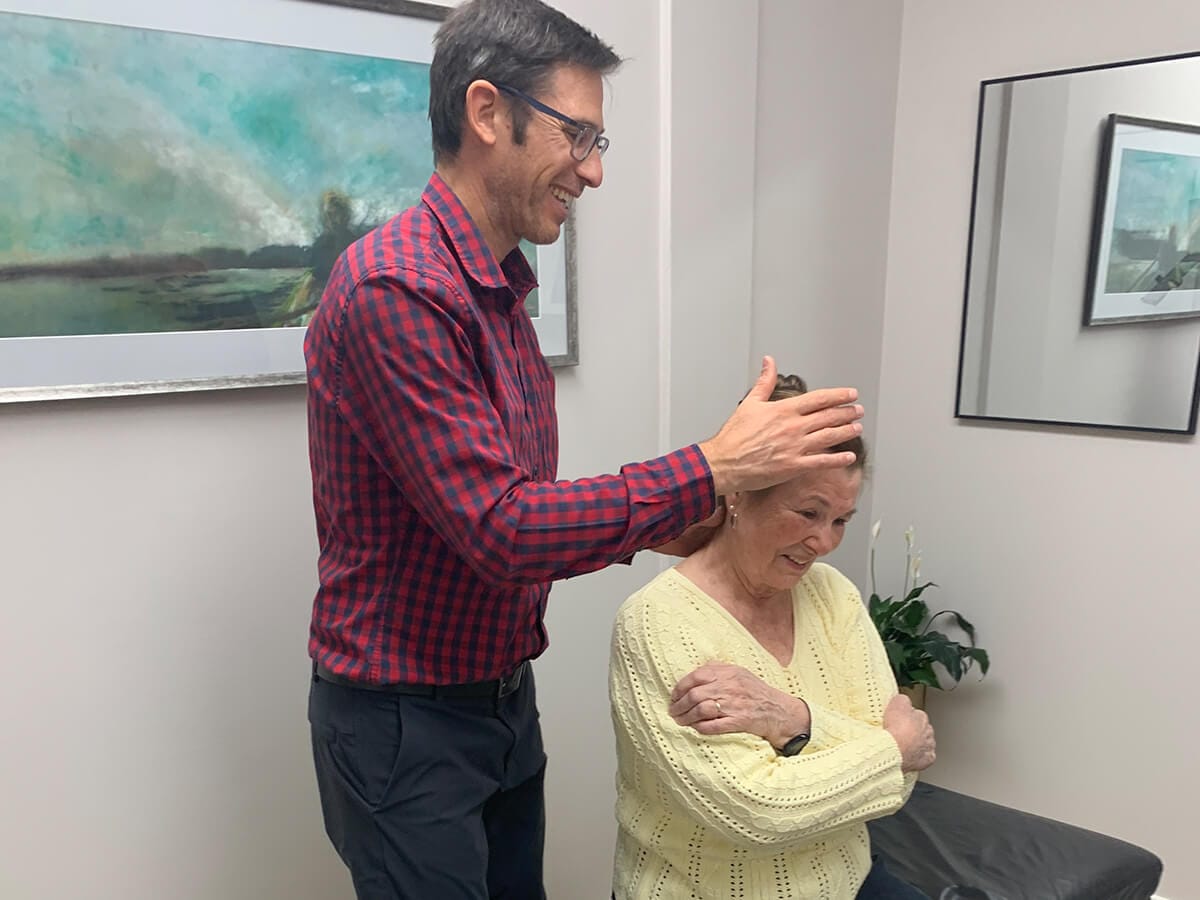
Your brain and nervous system control every movement, every muscle contraction, and every stabilizing reflex in your spine.Chiropractic care focuses on:
- Restoring proper spinal alignment and joint motion
- Reducing mechanical stress on the nervous system
- Improving communication between the brain and the body
The spine is not just a support structure; it is the main communication highway between the brain and every cell, tissue, and organ in your body.When spinal joints become restricted or misaligned (often referred to as vertebral subluxations), the quality of information travelling from the brain to the body — and back again — can be altered. Research has shown that spinal joint mechanics influence sensory input, muscle activation, coordination, and reflex control (Pickar, 2002–2012).This is why Chiropractic care often helps even when:
- Imaging looks “normal”
- Pain doesn’t follow a clear injury
- Back pain keeps returning
By restoring proper segmental motion, Chiropractic improves how your nervous system coordinates, stabilizes, and protects your spine.
Why Chiropractic Alone Isn’t Enough (And Never Claims to Be)
Here’s an important truth:You can receive excellent Chiropractic care and still experience back pain relapses if your posture and movement habits continually overload your spine.Chiropractic restores the capacity of your system.
Your daily habits determine how that capacity is used.That’s why posture and movement matter so much.
Posture: Not Perfection — Awareness and Variety
Good posture is not about sitting perfectly straight all day.In fact, staying in any posture too long — even a “good” one — creates stress.Helpful principles we teach patients in Kitchener–Waterloo–Cambridge:
- “The best posture is the next posture” – Change positions often
- Avoid prolonged slouched or collapsed sitting
- Sit tall but relaxed, not rigid
- Take micro-breaks from screens and driving
Poor posture rarely causes pain immediately.
It quietly builds stress — until the system can’t adapt anymore.
Movement Habits: How You Use Your Back Matters
Most back pain flare-ups aren’t caused by lifting one heavy thing — they’re caused by lifting, bending, and moving inefficiently for years.Key habits that protect your spine:
- Hip hinging instead of bending through the low back
- Using hips and legs when lifting
- Avoiding repeated end-range spinal flexion under load
- Respecting fatigue — tired muscles stop protecting joints
These habits dramatically reduce how much stress accumulates in your spine over time.
Strength Helps — But Only When the System Is Coordinated
Strength is important, but strength without coordination does not equal resilience.Your nervous system must:
- Activate the right muscles
- At the right time
- With the right amount of force
This is why some people do all the “right” exercises and still struggle.I have seen Crossfit World Games athletes come in to see me with back twinges from the slightest things such as bending down to pick up their shoes! Trust me, their core strength is not the problem. Poor coordination by their interfered nervous system communication to their strong muscles was the problem.When spinal function and nervous system signalling improve through Chiropractic care, strengthening exercises often:
- Feel easier
- Become more effective
- Lead to longer-lasting results
Chiropractic doesn’t replace exercise — it helps your body use strength properly.
A Personal Perspective (From Me, Dr. Nik)
I want to be very honest:I still get back pain relapses from time to time.They’re fairly rare now — but when they happen, I know exactly why. It’s almost always because I’ve let my posture or movement habits slide, allowing physical stress to gradually build back up on my spine.This can happen even though I’m receiving regular weekly maintenance Chiropractic care.The difference is this:
- I recognize it early
- I correct the habits that caused it
- I recover much faster than I ever used to because of the maintenance Chiropractic care
And after years of observing my patients, I can confidently say this:
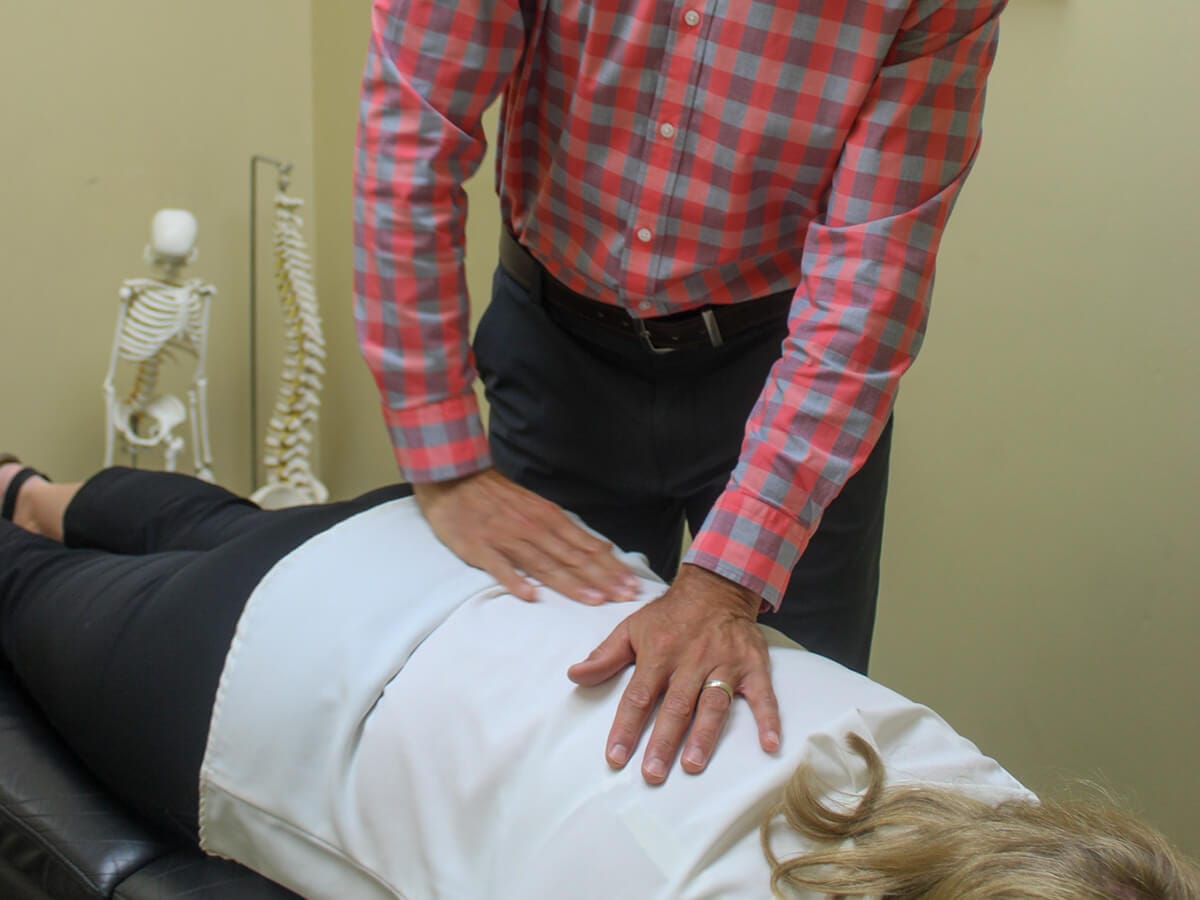
People who maintain their spinal health with ongoing Chiropractic care experience fewer relapses — and recover faster when flare-ups do occur — compared to those who only seek care when pain becomes severe.Maintenance care doesn’t make you invincible.
It makes you more resilient.
What the Research Shows About Chiropractic and Relapses
Back pain is well known to be cyclical, meaning flare-ups often recur over time. Research suggests that Chiropractic care may help reduce this cycle for many patients.A randomized controlled trial published in Spine found that patients with chronic nonspecific low back pain who received maintenance spinal manipulation after initial improvement had significantly better long-term pain and disability outcomes than those who stopped care once symptoms improved (Senna & Machaly, 2011).Other research has shown that patients receiving ongoing spinal manipulation tend to:
- Maintain functional improvements longer
- Experience fewer or less severe pain episodes
- Decline less rapidly after initial recovery
Additionally, major clinical practice guidelines now recommend spinal manipulation as part of a conservative, non-pharmacologic approach to managing low back pain — particularly when combined with exercise and education, which are known to reduce recurrence.Importantly, the research does not suggest that Chiropractic prevents every relapse. Rather, it supports the idea that maintaining spinal function improves the body’s ability to tolerate stress and recover when flare-ups occur.
Why Quick Fixes Don’t Create Lasting Change
Rest, medication, heat, or massage alone may reduce symptoms, but they don’t necessarily:
- Restore spinal motion
- Improve nervous system coordination
- Change posture or movement habits
Relief without resilience is why back pain keeps coming back.
The Goal: A Spine That Can Handle Life
The goal isn’t to avoid movement.
The goal is a spine that can:
- Sit
- Work
- Lift
- Exercise
- Keep up with life
…without constantly breaking down.That requires:
- A spine that moves well
- A nervous system that communicates clearly
- Posture that reduces accumulated stress
- Movement habits that protect rather than overload
When these are in place, flare-ups become less frequent, less intense, and shorter.What if even Chiropractic care, exercise, good posture and movement habits still don’t give relief!In some cases, even if the spine alignment is improved greatly, things still don’t go well. In these cases, it is possible and likely that the discs are the key culprit, at which point I would urge you to do some research on non-surgical spinal decompression. Click here to explore this topic more.
Final Thoughts
Stopping back pain from coming back isn’t about being careful forever.
It’s about building capacity and resilience.Chiropractic restores the communication system.
Posture and movement habits determine how that system is used.When all three are addressed together, back pain loses its grip — and your body becomes far better equipped to handle life.That’s the kind of long-term change we focus on at Fairway Chiropractic Centre, proudly serving Kitchener, Waterloo, and Cambridge.
References
- Pickar JG. Neurophysiological effects of spinal manipulation. Journal of Manipulative and Physiological Therapeutics, 2002–2012.
- Senna MK, Machaly SA. Does maintained spinal manipulation therapy for chronic nonspecific low back pain result in better long-term outcome? Spine, 2011.
- Qaseem A et al. Noninvasive treatments for acute, subacute, and chronic low back pain. Annals of Internal Medicine, 2017.
Author
Dr. Nik Dukovac, B.Sc., D.C.
Chiropractor | Fairway Chiropractic CentreDr. Nik Dukovac is a Chiropractor serving the Kitchener–Waterloo–Cambridge community with a focus on evidence-based, individualized Chiropractic care. He has advanced training in spinal neurobiomechanics and works extensively with patients experiencing recurrent back pain, disc injuries, and flare-ups that persist despite rest or short-term treatment. Guided by the principle that “the power that made the body heals the body,” Dr. Dukovac emphasizes restoring spinal function, improving nervous system coordination, and teaching practical posture and movement strategies to build long-term resilience.