


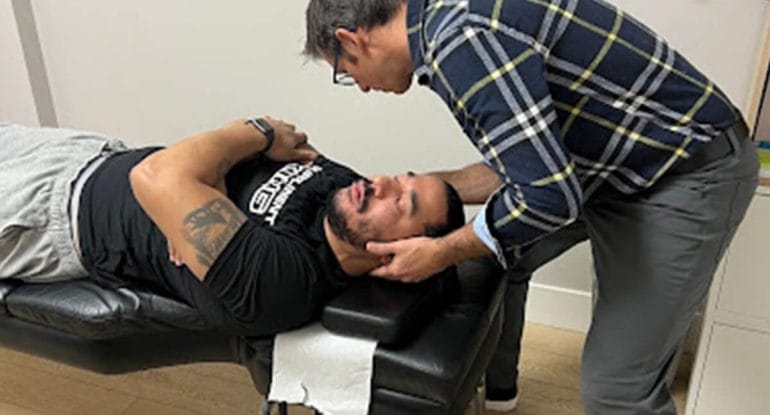
What Patients in Kitchener Waterloo and Cambridge Should Know
One of the most common questions patients ask when starting Chiropractic care is:
How long will it take before I feel better?
It is a fair question. It is also one that deserves an honest answer, not a sales pitch.
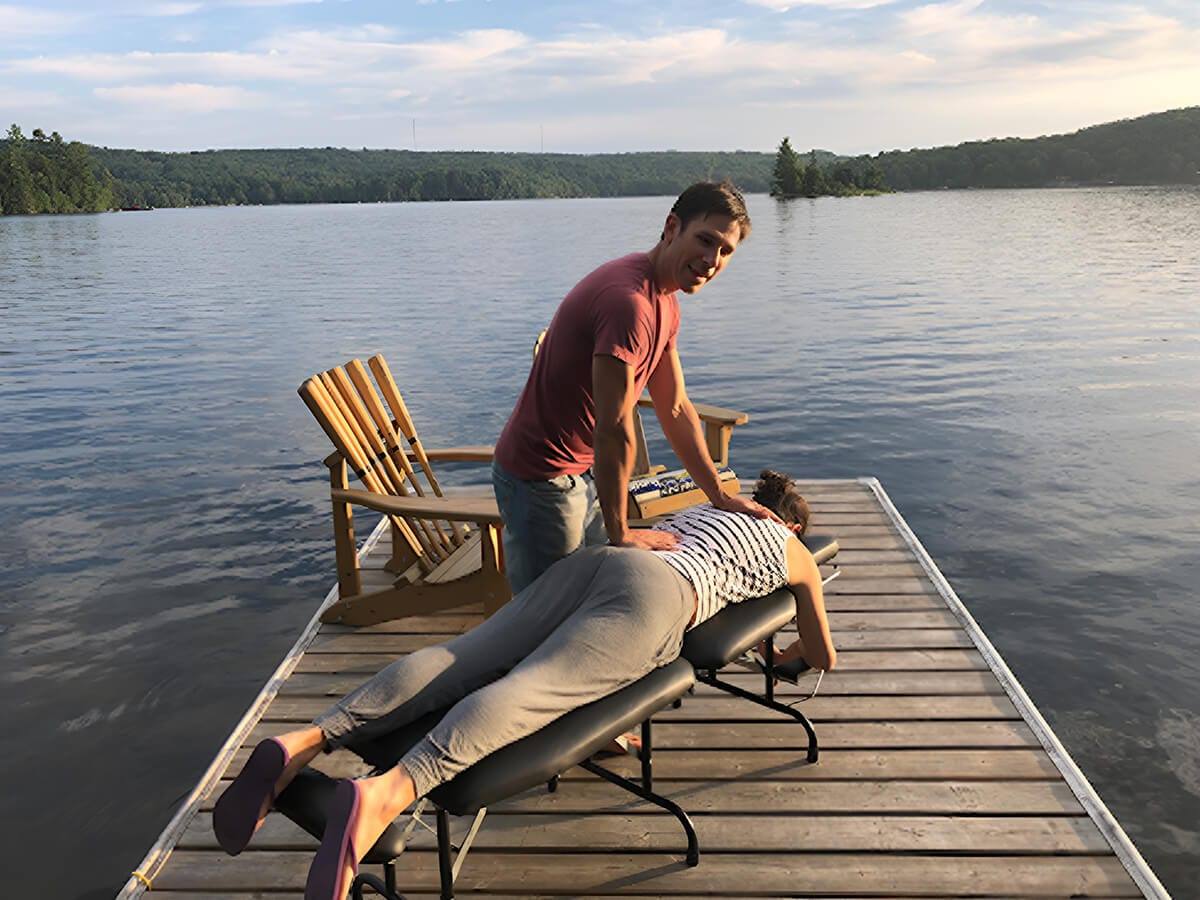
Chiropractic Is Not Fixing You
Your Body Is Doing the Healing
Chiropractic care does not heal you.
Your body does.
A Chiropractic adjustment helps restore joint motion, reduce mechanical stress, and improve nervous system communication. But the actual healing process is carried out by your own tissues, cells, and nervous system.
Because healing is a biological process, not a mechanical one, there is no universal timeline that applies to everyone.
Two people in Kitchener Waterloo Cambridge with the same diagnosis can respond very differently to care.
Why There Is No Exact Timeline for Recovery
How quickly you improve depends on many factors, including:
How long the problem has been present
Severity of tissue irritation or degeneration
Overall health and age
Stress levels
Sleep quality
Nutrition
Movement habits
Past injuries
Consistency of care
This is why it is not realistic or ethical for any provider to guarantee results within a fixed number of visits.
Healing does not work on a stopwatch.
Does Coming More Often Help You Heal Faster?
In many cases, yes.
Early phases of Chiropractic care are often focused on calming irritation and restoring normal movement patterns. When care is delivered consistently and at appropriate intervals, it gives your nervous system repeated opportunities to adapt and stabilize.
Much like exercise or rehabilitation, consistency matters more than intensity.
For many patients, especially those dealing with long standing issues, coming in more frequently early on helps prevent setbacks and allows progress to build rather than reset.
Supporting Healing Outside the Office
Chiropractic care works best when it is combined with daily habits that support recovery.
These include:
Eating well to support tissue repair and reduce inflammation
Moving well to reinforce healthy spinal and joint patterns
Sleeping well so the nervous system can recover
Managing stress which directly impacts healing capacity
Patients who align these factors with their care plan often notice more stable and lasting improvements.
Feeling Better vs Actually Being Better
One of the most misunderstood aspects of recovery is the difference between symptom relief and true healing.
Pain often improves before tissues have fully recovered.
This is why many people feel better, stop care, and then experience the same issue again weeks or months later.
Just because pain has decreased does not mean spinal function, stability, or coordination has been fully restored.
Why Continuing Chiropractic Care Reduces Relapses
Multiple studies have shown that patients who continue Chiropractic care beyond symptom relief experience significantly fewer relapses compared to those who stop as soon as they feel better.
Ongoing or maintenance care helps:
Reduce recurrence of back and neck pain
Improve spinal movement quality
Support long term nervous system function
Identify small issues before they become major problems
This approach shifts care from crisis based treatment to long term prevention and resilience.
Chiropractic Benefits Go Beyond Pain Relief
Pain relief is often the first noticeable change, but it is rarely the most important long term benefit.
Your nervous system controls every system in your body, including movement, balance, digestion, immune function, and recovery.
When spinal motion improves and nervous system interference is reduced, patients often report:
Improved posture and mobility
Better sleep quality
Increased energy
Improved tolerance to physical and mental stress
Better overall resilience
These benefits often continue to develop even after pain is no longer the primary concern.
So How Long Should I Expect to Get Better?
The most honest answer is this:
Expect progress, not perfection.
Chiropractic care supports your body as it heals at its own pace. Early care often focuses on symptom reduction and movement restoration. Ongoing care focuses on stability, durability, and long term function.
If your goal is not just to feel better, but to function better and stay better, Chiropractic care is best viewed as an ongoing investment rather than a short term fix.
The Bottom Line
Chiropractic does not heal you.
It removes barriers so your body can heal itself.
How quickly that happens depends on consistency, lifestyle, and how well your nervous system adapts. For many patients in Kitchener Waterloo and Cambridge, continuing care beyond pain relief is what leads to lasting results instead of repeated flare ups.
Considering Chiropractic Care?
If you are exploring Chiropractic care and want a clear, honest conversation about expectations and timelines, our team is happy to help.
Or book a consultation at Fairway Chiropractic Centre to discuss your specific goals and concerns.
References
- Haas M, et al. Dose response and efficacy of spinal manipulation for chronic low back pain. Spine Journal. 2014.
- Senna MK, Machaly SA. Does maintained spinal manipulation therapy prevent recurrence of low back pain. Spine. 2011.
- Bronfort G, et al. Effectiveness of manual therapies. The Lancet. 2004.
- Vernon H, et al. Chiropractic care and nervous system function. Journal of Manipulative and Physiological Therapeutics.
- National Center for Complementary and Integrative Health. Chiropractic care overview.
https://www.nccih.nih.gov
Author
Dr. Nik Dukovac, B.Sc., D.C.
Chiropractor | Fairway Chiropractic CentreDr. Nik Dukovac is a Chiropractor serving the Kitchener Waterloo Cambridge community with a focus on personalized care and long term spinal health. He works extensively with patients experiencing disc injuries, recurrent back pain, and persistent neck related symptoms.
Guided by the principle that the power that made the body heals the body, Dr. Nik emphasizes appropriate force Chiropractic adjustment, careful assessment, and collaborative care to help patients move well, heal naturally, and build resilient bodies for life.