



Or Are You Just Addicted to Feeling and Functioning Your Best?
It is a question I hear more often than you might expect:
“Can you get addicted to Chiropractic?”
Sometimes it is asked with genuine curiosity. Other times, it is asked with skepticism or concern that ongoing Chiropractic care might create dependency.
So let’s address this honestly, clearly, and with evidence.
The Short Answer
No, you cannot become chemically or physiologically addicted to Chiropractic care.
But you can become accustomed to how your body feels when it is functioning well.
And that distinction matters.
What Addiction Actually Means
Addiction involves changes in brain chemistry that create cravings, tolerance, and withdrawal symptoms. It typically involves substances that artificially stimulate or suppress normal physiology.
Chiropractic does none of those things.
- No chemicals are introduced
- No receptors are hijacked
- No dependency pathways are created
There is no evidence in the medical or scientific literature that Chiropractic care causes addiction.
What does happen is something very different.
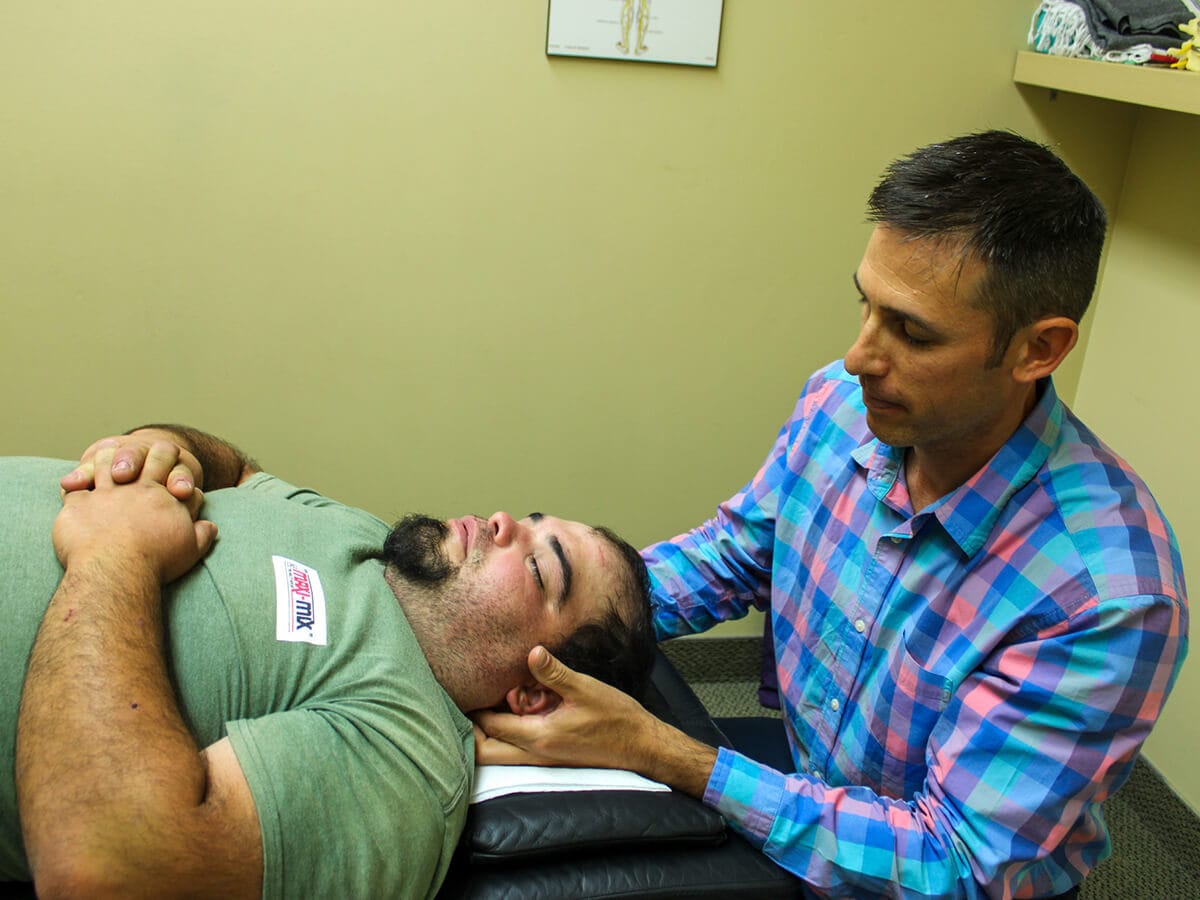
Why People Feel Better With Ongoing Chiropractic Care
Your spine protects the spinal cord, which is the main communication highway between your brain and body.
Movement restrictions, postural stress, injuries, and repetitive strain can interfere with how well this system functions. When spinal joints are not moving well, the nervous system often operates under low-grade stress.
Chiropractic adjustment helps restore normal joint motion and reduce unnecessary nervous system load.
When that happens, people commonly notice:
- Improved mobility
- Better sleep quality
- Less stiffness and tension
- Improved focus and energy
- Better stress resilience
That is not addiction; that is improved function.
Why Symptoms Often Return When Care Stops
This is where confusion happens.
People stop Chiropractic care and notice symptoms slowly returning. They assume this means they are dependent.
In reality, it usually means the stressors that caused the problem never went away.
Think about it like this:
- You brush your teeth regularly, not because you are addicted to toothpaste
- You exercise consistently, not because you are addicted to the gym
- You eat well, not because you are addicted to vegetables
You maintain habits that support function.
Chiropractic works the same way.
Maintenance Chiropractic Care Explained
Maintenance Chiropractic care is not about chasing pain. It is about preserving function and adaptability.
Life places ongoing stress on the spine and nervous system:
- Sitting and screen use
- Poor posture
- Physical work
- Emotional stress
- Sports and activity
- Previous injuries
Maintenance care acknowledges that these stressors are ongoing.
Instead of waiting for pain to show up, the spine is checked regularly to make sure movement and nervous system function remain optimal.
This is proactive care, not dependency.
My Personal Perspective
People sometimes joke that I am “addicted to Chiropractic.”
Here is the truth.
I am addicted to functioning at my best.
Chiropractic helps me do that.
So for me, and for my family, we choose to have our spines checked weekly at a minimum. Not because we are broken. Not because we are dependent.
But because we value:
- Optimal nervous system function
- Better movement and posture
- Better stress resilience
- Better long-term health
We plan to continue maintenance Chiropractic care for the rest of our lives, the same way we plan to exercise, eat well, and sleep properly for the rest of our lives.
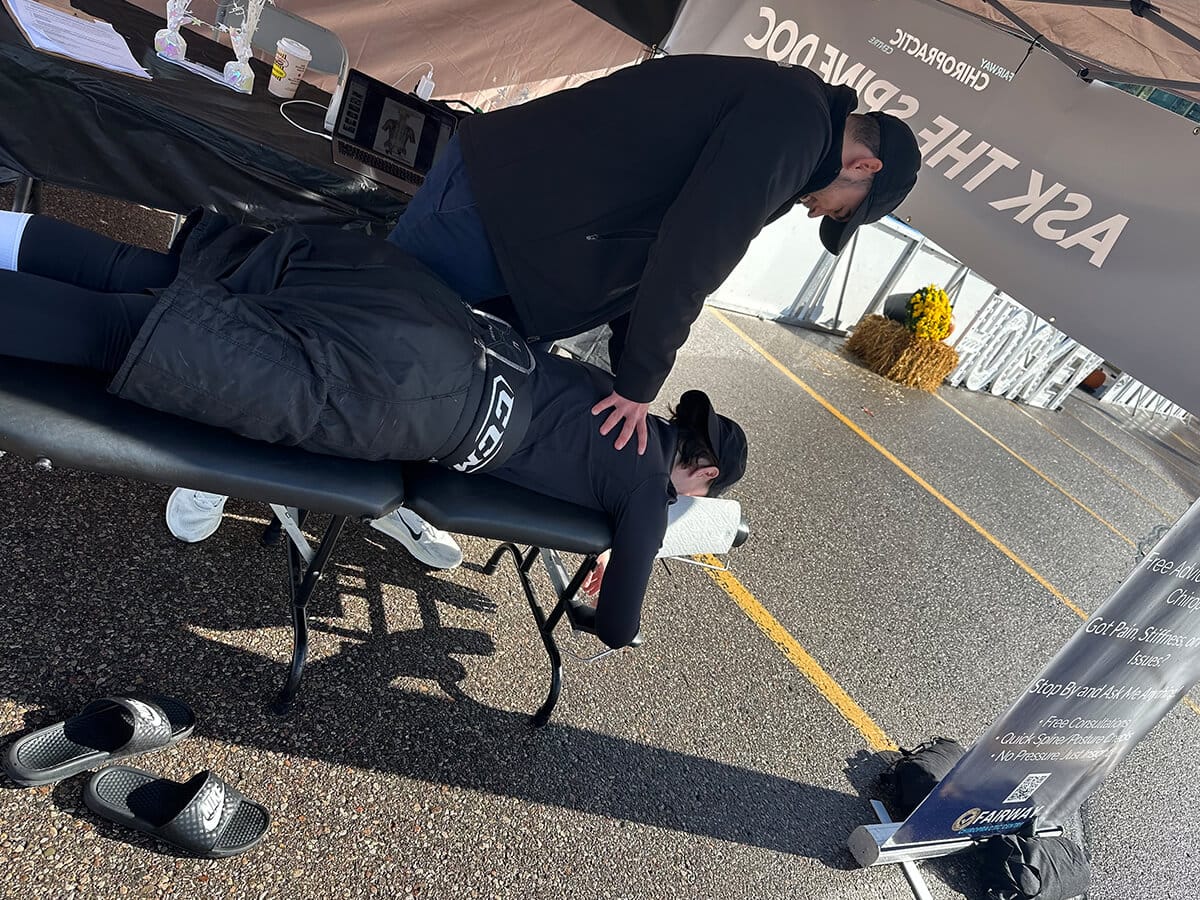
Is Ongoing Chiropractic Evidence-Based?
Research consistently shows that spinal manipulation and manual care can:
- Improve spinal mobility
- Reduce pain and stiffness
- Support functional outcomes
- Improve quality of life measures
Clinical guidelines increasingly recognize the value of conservative, non-drug approaches for musculoskeletal and spine-related conditions.
More importantly, ongoing care decisions should always be individualized, based on goals, response to care, and patient preference.
No one should feel pressured. But no one should be discouraged from maintenance care either.
A Common Misconception
If Chiropractic only worked when pain was present, it would be reactive care.
But the nervous system does not wait for pain to become dysfunctional.
By the time pain appears, dysfunction has often been present for a long time.
Maintenance care is simply acknowledging that reality.
The Real Question to Ask
Instead of asking:
“Can you get addicted to Chiropractic?”
A better question is:
“Why would I stop something that helps my body function better?”
If something improves how you move, sleep, think, and handle stress, choosing to continue it is not addiction.
It is informed self-care.
Final Thought
You cannot get addicted to Chiropractic.
But you can develop a preference for feeling better, moving better, and living with less interference in your nervous system.
And that is not a problem.
That is a choice.
See how great your body is designed to feel. Call Fairway Chiropractic Centre today at 519-748-5535 to schedule your assessment and start your journey toward lasting wellness.
Suggested Research References
- National Center for Complementary and Integrative Health, Spinal Manipulation
https://www.nccih.nih.gov/health/spinal-manipulation-what-you-need-to-know - Agency for Healthcare Research and Quality, Nonpharmacologic Therapies for Pain
https://www.ahrq.gov - National Institutes of Health, Musculoskeletal Health
https://www.niams.nih.gov
Learn more about us and how we see Chiropractic as a way to live to your best God-given potential:
https://fairwaychiropractic.com/about-us/
Related helpful blogs/pages:
What is Chiropractic –
https://fairwaychiropractic.com/what-is-chiropractic/
FAQ’s about Chiropractic –
https://fairwaychiropractic.com/faqs/
Author
Dr. Nik Dukovac, B.Sc., D.C.
Chiropractor | Fairway Chiropractic CentreDr. Nik Dukovac is a Chiropractor serving the Kitchener, Waterloo, and Cambridge community with a focus on personalized care. He has advanced training in spinal neurobiomechanics and works extensively with families, athletes, and individuals seeking long-term spinal health and nervous system optimization.
Dr. Dukovac’s approach emphasizes appropriate force Chiropractic adjustment, from very gentle to firm, based on age, patient preference, and clinical presentation. Guided by the principle that the power that made the body heals the body, he helps patients move better, function better, and maintain their health proactively across all stages of life.