


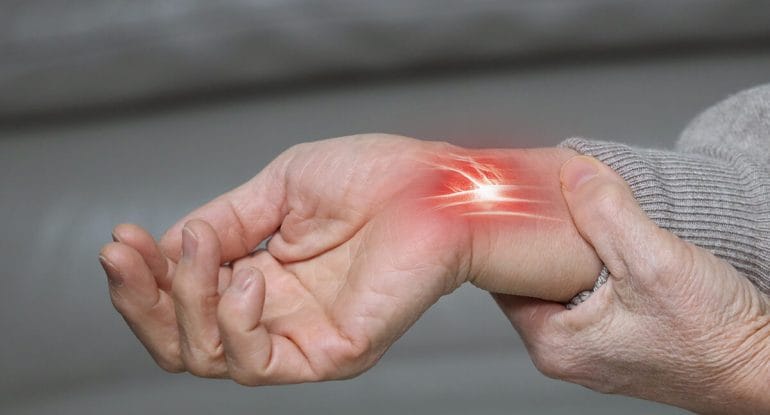
A Whole Body Approach to Hand and Wrist Pain in Kitchener, Waterloo, and Cambridge
Tingling in the fingers. Numbness at night. Weak grip strength. Pain that shoots into the forearm or even up toward the elbow or shoulder.
These are classic signs of carpal tunnel syndrome, and they are symptoms we commonly see in people from Kitchener, Waterloo, and Cambridge.
Many people are told that carpal tunnel is strictly a wrist problem and that their only options are braces, injections, or surgery. In reality, carpal tunnel symptoms often involve more than just the wrist. This is where Chiropractic care can play an important role.
Quick Answers About Carpal Tunnel
Can Chiropractic help carpal tunnel syndrome?
Yes. Chiropractic care can improve spinal mechanics, posture, and nerve function that commonly contribute to carpal tunnel symptoms.
Does Chiropractic treat the wrist directly?
Care may include gentle wrist and forearm techniques, but the primary focus is reducing nerve irritation from the spine outward. It is looking at the entire system, not just where the pain is located.
When should SoftWave therapy be considered?
SoftWave may be helpful when symptoms persist due to chronic tissue irritation or delayed healing despite appropriate Chiropractic care.
Will I still need surgery?
Many people improve without surgery, especially when care is started early. Not every case can be helped, and some cases still require medical or surgical input, and collaborative care is always supported.
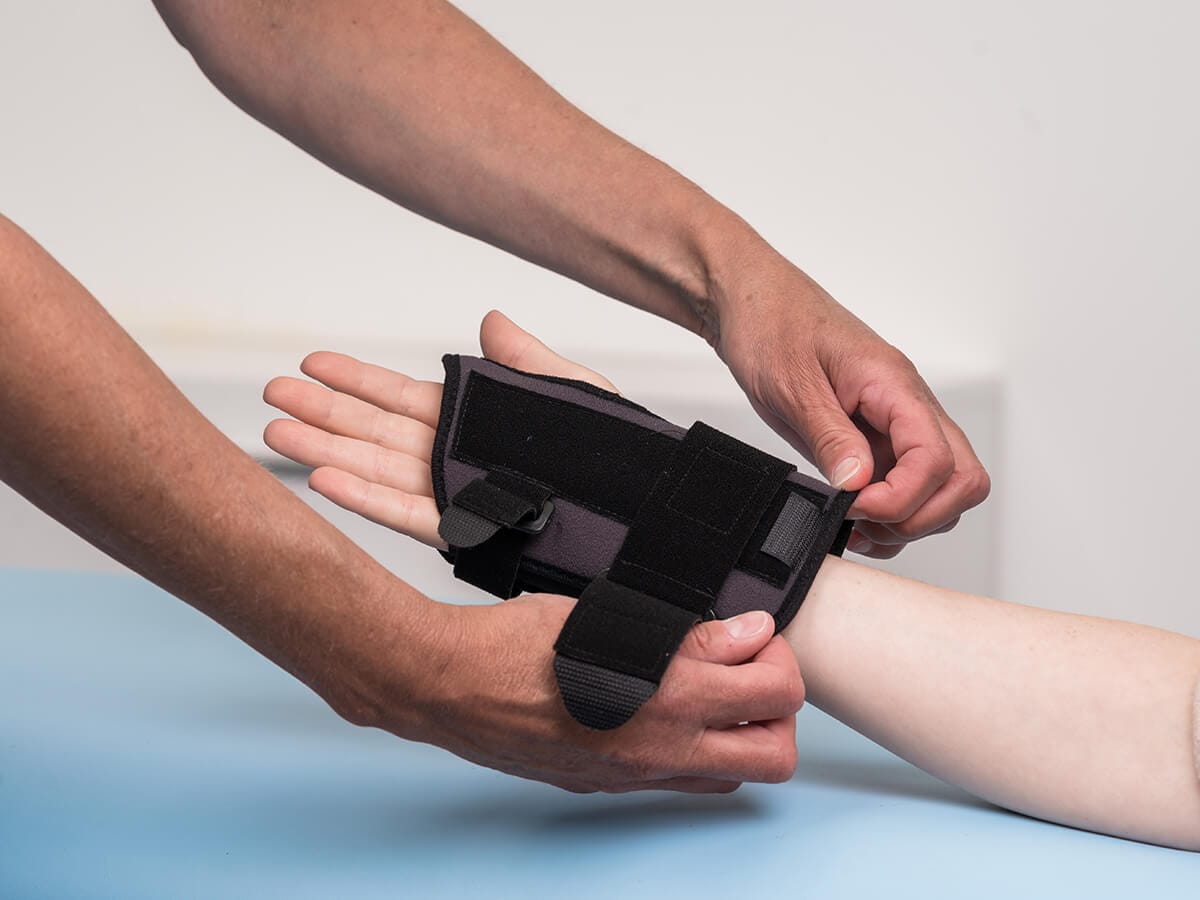
What Is Carpal Tunnel Syndrome?
Carpal tunnel syndrome occurs when the median nerve becomes irritated or compressed as it passes through a narrow tunnel in the wrist.
Common symptoms include:
- Tingling or numbness in the thumb, index, middle, and part of the ring finger
- Hand weakness or dropping objects
- Pain that worsens with typing, gripping, or repetitive use
- Night time numbness or burning sensations
- Symptoms that can travel up the arm toward the elbow or shoulder
While the wrist is involved, the nerve itself starts much higher in the body.
Why Carpal Tunnel Is Often Not Just a Wrist Problem
The median nerve originates in the neck, travels through the shoulder and arm, and finally passes through the carpal tunnel at the wrist. Irritation anywhere along this pathway can increase sensitivity at the wrist.
The neck and upper spine matter
Restricted motion or joint irritation in the cervical spine can affect nerve signaling to the arm and hand. This may increase nerve sensitivity and make wrist level compression more symptomatic.
Posture plays a major role
Forward head posture, rounded shoulders, and prolonged desk or device use can increase tension on the nerves supplying the arm. Over time, this adds strain to the median nerve before it ever reaches the wrist.
Muscle and joint coordination
Tight forearm muscles, reduced wrist mobility, and shoulder mechanics all influence how much pressure builds up in the carpal tunnel during daily activities.
The Role of Chiropractic Care in Carpal Tunnel Syndrome
At Fairway Chiropractic Centre, Chiropractic care for carpal tunnel syndrome focuses on reducing nerve irritation throughout the entire pathway, not just at the wrist.
Care may include:
- Chiropractic adjustment to the cervical spine and upper back to improve nerve function and joint motion
- Addressing shoulder, elbow, and wrist mechanics that affect nerve load
- Improving posture and ergonomic stress patterns
- Gentle wrist and forearm Chiropractic techniques when appropriate
- Reducing nervous system tension that contributes to night time symptoms
Many patients report reduced tingling, improved grip strength, better sleep, and less daily hand discomfort as spinal and postural function improves.
I honestly can’t tell you how many patients I have had over the years that were so excited and relieved with their results from Chiropractic care, because they thought for certain they would need surgery for their carpal tunnel syndrome.
When Bracing or Exercises Alone Are Not Enough
Wrist splints and exercises can be helpful, especially in early or mild cases. However, if symptoms persist, keep returning, or are worsening, it may be a sign that the issue is not isolated to the wrist.
Addressing spinal mechanics and nerve health can often make other treatments more effective.
When to Consider SoftWave Therapy for Carpal Tunnel
If carpal tunnel symptoms do not fully resolve with Chiropractic care alone, SoftWave Tissue Regenerative Therapy may be considered as an additional option.
SoftWave is a non invasive technology that uses mechanical signaling to stimulate the body’s natural healing processes in irritated or slow healing tissues.
For carpal tunnel related cases, SoftWave may help:
- Improve local tissue health around the wrist and forearm
- Reduce chronic inflammation
- Support healing of irritated connective tissue
- Improve comfort when combined with Chiropractic care
SoftWave is not used in isolation. It is integrated thoughtfully when the clinical picture suggests that tissue healing support is needed.
A Whole Body Perspective on Nerve Pain
Carpal tunnel syndrome often responds best when care looks at the entire nerve system, including the spine, posture, and daily habits.
References
- Rempel D, Diao E.
Entrapment neuropathies, pathophysiology and pathogenesis.
Journal of Electromyography and Kinesiology. 2004;14(1):71 to 75.
https://pubmed.ncbi.nlm.nih.gov/14759751/ - Keith MW, Masear V, Chung KC, et al.
American Academy of Orthopaedic Surgeons clinical practice guideline on the treatment of carpal tunnel syndrome.
Journal of Bone and Joint Surgery. 2009;91(10):2478 to 2479.
https://pubmed.ncbi.nlm.nih.gov/19797585/ - Shacklock M.
Neurodynamics.
Physiotherapy. 1995;81(1):9 to 16.
https://pubmed.ncbi.nlm.nih.gov/8690094/ - Pickar JG.
Neurophysiological effects of spinal manipulation.
The Spine Journal. 2002;2(5):357 to 371.
https://pubmed.ncbi.nlm.nih.gov/14589467/ - Haavik H, Murphy B.
The role of spinal manipulation in addressing altered sensorimotor integration.
Journal of Electromyography and Kinesiology. 2012;22(5):768 to 776.
https://pubmed.ncbi.nlm.nih.gov/22658695/ - Wang CJ.
Extracorporeal shockwave therapy in musculoskeletal disorders.
Journal of Orthopaedic Surgery and Research. 2012;7:11.
https://pubmed.ncbi.nlm.nih.gov/22433121/
Your Next Step…
If you are experiencing hand numbness, tingling, or wrist pain in Kitchener, Waterloo, or Cambridge, book an assessment at Fairway Chiropractic Centre. We will help determine whether Chiropractic care alone or a combined approach including SoftWave therapy is appropriate for your situation.
Author
Dr. Nik Dukovac, B.Sc., D.C.
Chiropractor | Fairway Chiropractic CentreDr. Nik Dukovac serves the Kitchener, Waterloo, and Cambridge community with a focus on personalized, evidence informed Chiropractic care. He has advanced training in spinal neurobiomechanics and works extensively with patients experiencing nerve related conditions, repetitive strain injuries, and chronic upper extremity pain. Guided by the principle that the power that made the body heals the body, Dr. Nik emphasizes appropriate force Chiropractic adjustment, careful assessment, and collaborative care to help patients restore comfort, strength, and confidence in daily activities.