



Shoulder Pain, Tears, and Recovery Options in Kitchener, Waterloo, and Cambridge
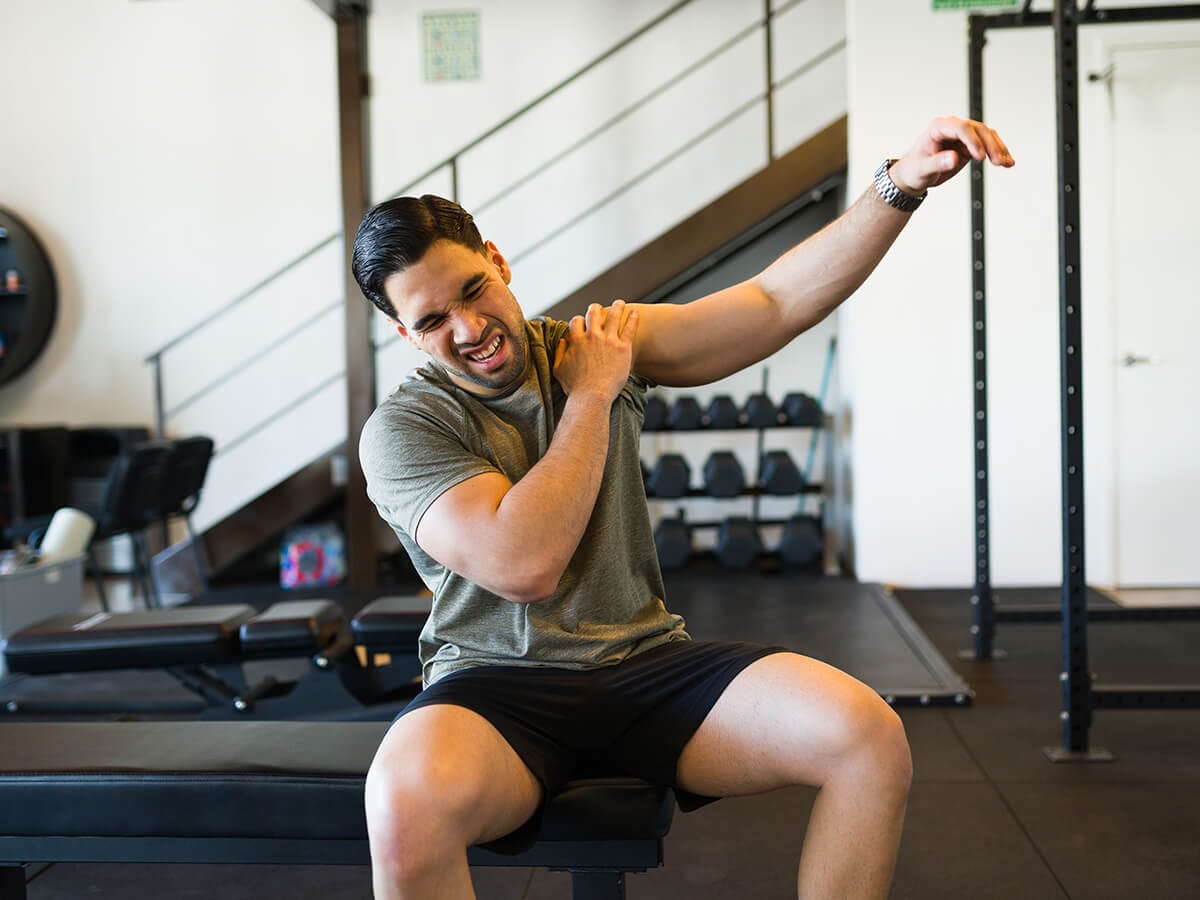
Shoulder pain can be frustrating, limiting, and slow to resolve. Whether it started after a fall, a workout, repetitive work, or seemingly out of nowhere, shoulder injuries are one of the most common musculoskeletal complaints we see at Fairway Chiropractic Centre.
Patients from Kitchener, Waterloo, and Cambridge often arrive having been told they have a rotator cuff strain, tendinitis, bursitis, or even a partial tear and many are unsure whether surgery is inevitable.
The good news is that many shoulder and rotator cuff conditions respond well to a whole body approach, and this is where Chiropractic care can play an important role.
Quick Answers About Rotator Cuff Injuries
Can Chiropractic help rotator cuff injuries?
Yes. Chiropractic care can improve spinal mechanics, posture, and shoulder coordination that commonly contribute to rotator cuff pain and dysfunction.
Does Chiropractic treat the shoulder directly?
Care may include gentle shoulder techniques, but the primary focus is restoring proper movement and nerve function from the spine outward.
When should SoftWave therapy be considered?SoftWave may be helpful when shoulder pain persists due to chronic tendon irritation or delayed healing despite appropriate Chiropractic care.
Will I still need imaging or surgery?
Some cases require imaging or orthopedic input. Conservative care is often appropriate first, with referral when needed.
What Is the Rotator Cuff?
The rotator cuff is a group of four muscles and their tendons that surround the shoulder joint. Together, they help stabilize the shoulder while allowing a wide range of motion such as lifting, reaching, throwing, and overhead activity.
Rotator cuff related problems may include
- Tendinitis or tendinopathy
- Shoulder impingement syndrome
- Partial thickness tears
- Full thickness tears
- Shoulder bursitis (subacromial bursitis)
Common symptoms include shoulder pain with lifting, weakness, pain when reaching overhead or behind the back, night pain when lying on the affected side, and reduced shoulder mobility.
Why Shoulder Pain Is Often Not Just a Shoulder Problem
While pain is felt in the shoulder, the shoulder does not function in isolation.
The neck and upper spine matter
Nerves that supply the shoulder and rotator cuff originate in the cervical spine. Restricted motion or irritation in the neck can alter muscle activation, increase protective tension, and slow recovery.
Shoulder blade mechanics are critical
The shoulder blade acts as the foundation for shoulder movement. Poor coordination of the upper back and shoulder blade can overload the rotator cuff, even when the tendon itself is not severely damaged.
Posture influences rotator cuff strain
Rounded shoulders and forward head posture, common with desk work and phone use, reduce the space available for rotator cuff tendons and increase impingement stress over time.
The Role of Chiropractic Care in Rotator Cuff Injuries
At Fairway Chiropractic Centre, Chiropractic care for shoulder injuries focuses on restoring proper mechanics throughout the entire shoulder system.
Care may include
- Chiropractic adjustment to the cervical spine and upper thoracic spine to improve nerve function and joint mobility
- Improving shoulder blade and upper back movement
- Addressing postural stress patterns that overload the shoulder
- Gentle shoulder and soft tissue techniques when appropriate
- Reducing nervous system tension that contributes to guarding and weakness
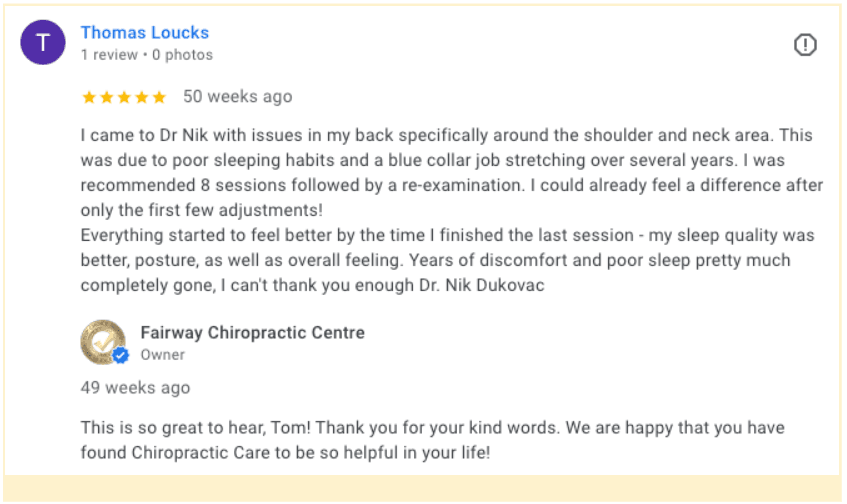
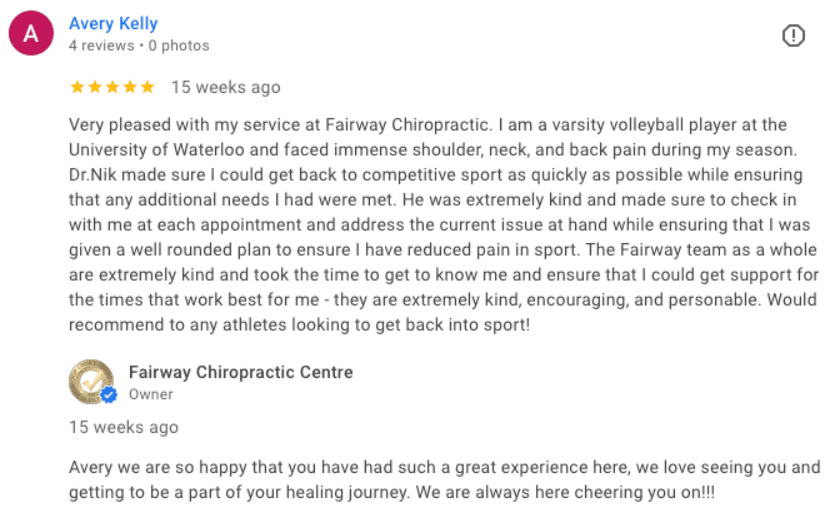
Many patients report improved shoulder movement, reduced pain with daily activities, better sleep, and improved tolerance to exercise as spinal and postural function improves.
Do Rotator Cuff Tears Always Need Surgery?
Not necessarily.
Research shows that many partial tears and even some full thickness tears can be managed conservatively when shoulder mechanics, posture, and nervous system function are addressed appropriately.
Chiropractic care does not repair torn tissue directly. Instead, it helps optimize the environment around the shoulder so healing, compensation, and function can improve. When imaging or symptoms suggest surgical consultation is needed, collaborative care is always supported.
When Chiropractic Alone May Not Be Enough
Some shoulder injuries become chronic because the tendon or surrounding tissue struggles to heal. This may be due to
- Long standing inflammation
- Poor blood supply to tendon tissue
- Repeated overload without adequate recovery
When progress plateaus, additional tissue focused therapies may be appropriate.
When to Consider SoftWave Therapy for Shoulder and Rotator Cuff Injuries
If shoulder pain persists despite appropriate Chiropractic care, SoftWave Tissue Regenerative Therapy may be considered.
SoftWave is a non invasive therapy that uses mechanical signaling to stimulate the body’s natural repair processes in chronically irritated or slow healing tissues.
For rotator cuff and shoulder injuries, SoftWave may help
- Improve local tissue health
- Reduce chronic inflammation
- Support tendon and connective tissue healing
- Improve comfort when combined with Chiropractic care
SoftWave is used as a complement to Chiropractic care, not a replacement, and only when it fits the clinical picture.
References
- Lewis JS.
Rotator cuff related shoulder pain.
British Journal of Sports Medicine. 2009;43(4):236 to 241.
https://pubmed.ncbi.nlm.nih.gov/18603571/ - Ludewig PM, Reynolds JF.
The association of scapular kinematics and glenohumeral joint pathologies.
Journal of Orthopaedic and Sports Physical Therapy. 2009;39(2):90 to 104.
https://pubmed.ncbi.nlm.nih.gov/19194022/ - Yamamoto A, Takagishi K, Osawa T, et al.
Prevalence and risk factors of a rotator cuff tear in the general population.
Journal of Shoulder and Elbow Surgery. 2010;19(1):116 to 120.
https://pubmed.ncbi.nlm.nih.gov/19540777/ - Pickar JG.
Neurophysiological effects of spinal manipulation.
The Spine Journal. 2002;2(5):357 to 371.
https://pubmed.ncbi.nlm.nih.gov/14589467/ - Haavik H, Murphy B.
The role of spinal manipulation in addressing altered sensorimotor integration.
Journal of Electromyography and Kinesiology. 2012;22(5):768 to 776.
https://pubmed.ncbi.nlm.nih.gov/22658695/ - Wang CJ.
Extracorporeal shockwave therapy in musculoskeletal disorders.
Journal of Orthopaedic Surgery and Research. 2012;7:11.
https://pubmed.ncbi.nlm.nih.gov/22433121/
Your Next Step…
If you are dealing with shoulder pain, rotator cuff symptoms, or limited movement in Kitchener, Waterloo, or Cambridge, book an assessment at Fairway Chiropractic Centre. We will help determine whether Chiropractic care alone or a combined approach including SoftWave therapy is appropriate for your recovery.
Author
Dr. Nik Dukovac, B.Sc., D.C.
Chiropractor | Fairway Chiropractic CentreDr. Nik Dukovac serves the Kitchener, Waterloo, and Cambridge community with a focus on personalized, evidence informed Chiropractic care. He works extensively with patients experiencing shoulder injuries, rotator cuff conditions, and complex musculoskeletal pain. Guided by the principle that the power that made the body heals the body, Dr. Nik emphasizes appropriate force Chiropractic adjustment, careful assessment, and collaborative care to help patients restore movement, strength, and confidence in daily life.