


Quick Answers
Q: Can spinal decompression help people avoid surgery?
Yes. For many disc herniations, bulges, stenosis cases, and sciatica, non-surgical decompression often reduces or eliminates the need for surgery.
Q: How does it work?
It gently distracts the spine to lower disc pressure, draw nutrients into damaged discs, and relieve irritated nerves.
Q: How long does it take?
Some notice improvements within the first 6 sessions. Most patients notice big improvement by 12-15 sessions. Healing time varies depending on severity, age, lifestyle, and stress on the spine.
Q: Is decompression safe?
Yes. SpineMED non-surgical spinal decompression is precise, computer-controlled, and does not involve twisting, cracking, or invasive procedures.
Can Non-Surgical Spinal Decompression Help You Avoid Back Surgery?
Every week at Fairway Chiropractic Centre, we meet patients who were told their “only option left is surgery.” Many are anxious, frustrated, or unsure where to turn. Fortunately, most disc injuries do not require surgery.With modern technology—especially the SpineMED Non-Surgical Spinal Decompression Table—many patients avoid the operating room entirely and return to normal life with significantly less pain.If you’re dealing with disc herniation, disc bulge, sciatica, nerve compression, degenerative disc disease, foraminal stenosis, or chronic low back or neck pain, there is a strong chance you can heal without surgery.

Why Many Back Surgeries Fail (and Why They’re Often Unnecessary)
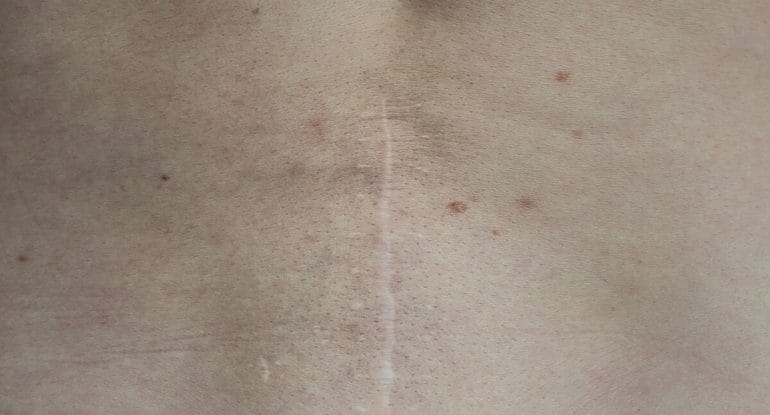
Surgery can be life-changing for the right patient—but it’s not a guaranteed solution.
Research shows that many spinal surgeries have mixed long-term outcomes. This is often because:
- The underlying mechanical issue is not corrected
- Scar tissue forms around nerve roots
- Adjacent discs degenerate faster after fusion
- Nerves remain sensitized despite surgery
- Removing disc material does not repair the disc itself
Patients often ask, “If the surgeon removed the herniation, why do I still have pain?”
The answer usually lies in ongoing biomechanical stress, instability, and poor disc health—areas where non-surgical spinal decompression therapy is effective.
How Non-Surgical Spinal Decompression Works (The SpineMED Advantage)
SpineMED uses gentle, computer-regulated distraction forces to target the injured disc. This creates negative intradiscal pressure, which accomplishes two key things:
- Retracts disc material away from irritated nerves This reduces sciatica, numbness, tingling, and radiating pain.
- Creates an environment for disc healing Negative pressure draws oxygen, water, and nutrients back into the disc, helping it heal from the inside.
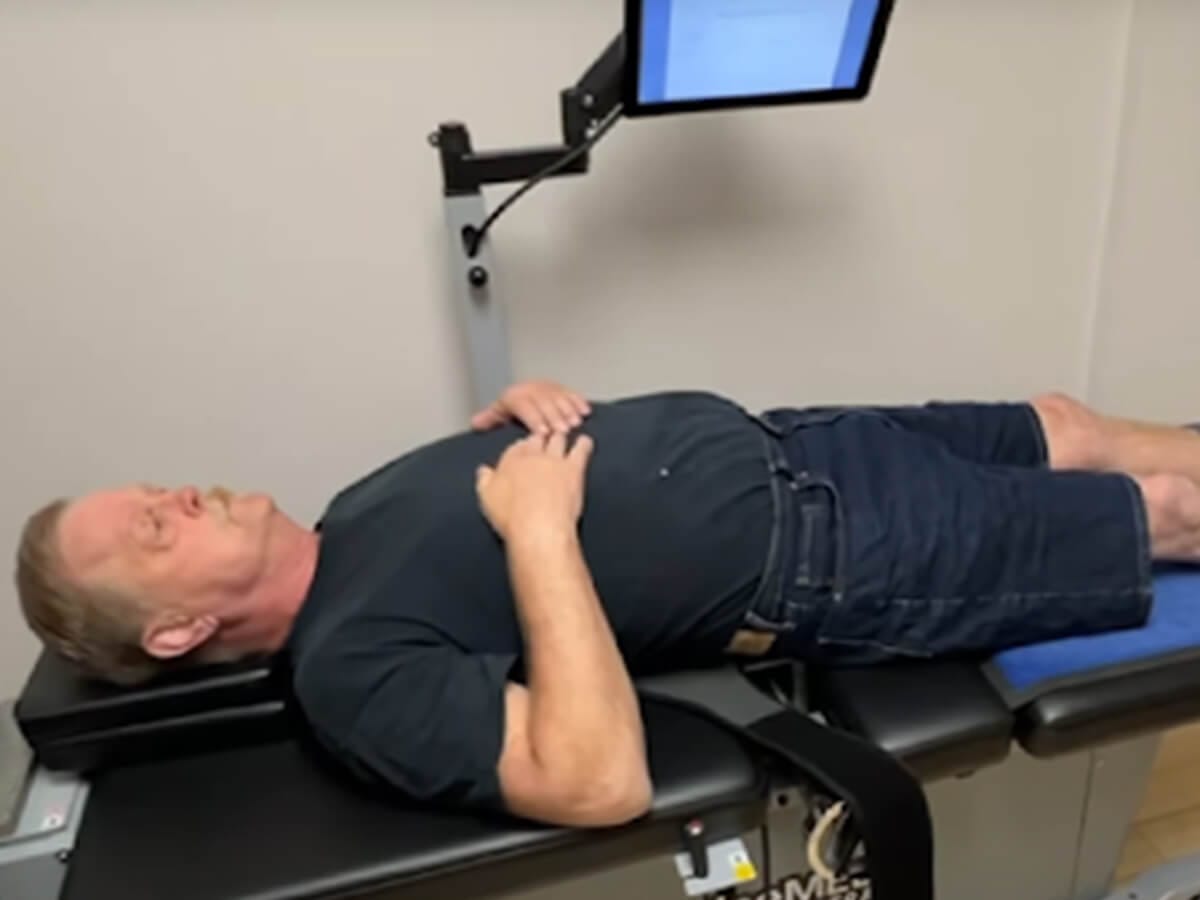
SpineMED differs from traditional traction because it does not use ropes, pulleys, or aggressive harnesses. The treatment is highly precise, consistent, and comfortable—patients often relax or fall asleep during sessions. The table can also be set up to ‘focus the lens’ on the injured level of the spine.

Why Our Approach Works: Decompression + McGill Method
Many clinics offer traction-like machines under the label of “decompression.”
Our approach is different because we combine:True medical-grade decompression (SpineMED) +
Dr. Stuart McGill–informed disc rehabilitationDr. Nik’s training in the McGill Method ensures every patient receives what they need to make sure their Disc Herniation heals, and doesn’t return.
You will receive appropriate to your case:
- A detailed movement assessment
- Identification and removal of pain triggers
- Spine-sparing movement strategies
- McGill core stability exercises (Big 3 and progressions)
- A structured walking and load-management program
- Postural and ergonomic coaching
This combination repairs the disc while correcting the underlying mechanics that caused the injury.
Who Is a Good Candidate for Decompression?
You may benefit from non-surgical spinal decompression if you have:
- Disc herniation
- Disc bulge
- Sciatica
- Nerve compression
- Foraminal stenosis
- Degenerative disc disease
- Chronic neck or low back pain
- Failed physiotherapy, massage, or chiropractic
- Failed spinal injections
People who often benefit most include:
- Those wanting to avoid surgery
- Those told they are “not surgical candidates”
- People with long-standing symptoms
- Athletes wanting non-invasive recovery
- Patients over 40 with degenerative disc changes
What Results Can You Expect?
At our clinic, patients typically experience the following timeline:
- 6–12 visits: some notice early reduction in pain and nerve irritation
- 12-25 visits: meaningful improvement in disc comfort, mobility, and stability
- Long-term: ongoing strength and resilience through McGill-based strategies
For many patients, this is the first care plan that provides real, lasting progress—not just temporary relief.
What If Surgery Has Already Been Recommended?
We regularly see patients who:
- Have a surgery date booked
- Have been told they have a “large” or “severe” herniation
- Have tried multiple therapies without success
If the surgeon has said, “You can try conservative care first,” then decompression is absolutely worth exploring.
Many patients ultimately cancel their surgery after achieving significant improvement.
Image Recommendations
Consider using:
- A patient lying comfortably on a modern decompression table similar to SpineMED
If you’re worried about back surgery or feel you’ve exhausted your options, there is still hope. With the right Doctor, the right assessment, the right technology, and the right movement guidance, your spine can heal.At Fairway Chiropractic Centre, we help patients avoid surgery, regain function, and return to the activities they love.
Author
Dr. Nikola Dukovac, Chiropractor Owner of Fairway Chiropractic Centre
Trained in the McGill Method for disc injury assessment and rehabilitation
Helped thousands of people recover from spinal disc herniations over the last 20 years.