


Quick Answers
Q: Is non-surgical relief possible with spinal stenosis?
Yes. Many patients improve with decompression therapy, chiropractic adjustment (also known as spinal manipulation), targeted exercise, and movement modifications.
Q: What do major medical guidelines recommend?
The American College of Physicians (ACP) and the National Institute for Health and Care Excellence (NICE) strongly recommend conservative, non-surgical care first — including exercise, manual therapy, and education — before injections or surgery.
Q: When does someone need surgery?
Only in cases of progressive neurological loss, loss of bowel/bladder control, or persistent disabling symptoms despite months of high-quality conservative care.
Q: What treatment most effectively reduces leg pain, numbness, and walking intolerance?
SpineMED® Spinal Decompression Therapy, when appropriate, can reduce nerve compression by gently unloading the discs and joints.
By Dr. Nikola Dukovac — Fairway Chiropractic Centre & Disc Repair Clinic, Kitchener–Waterloo
What Is Spinal Stenosis?
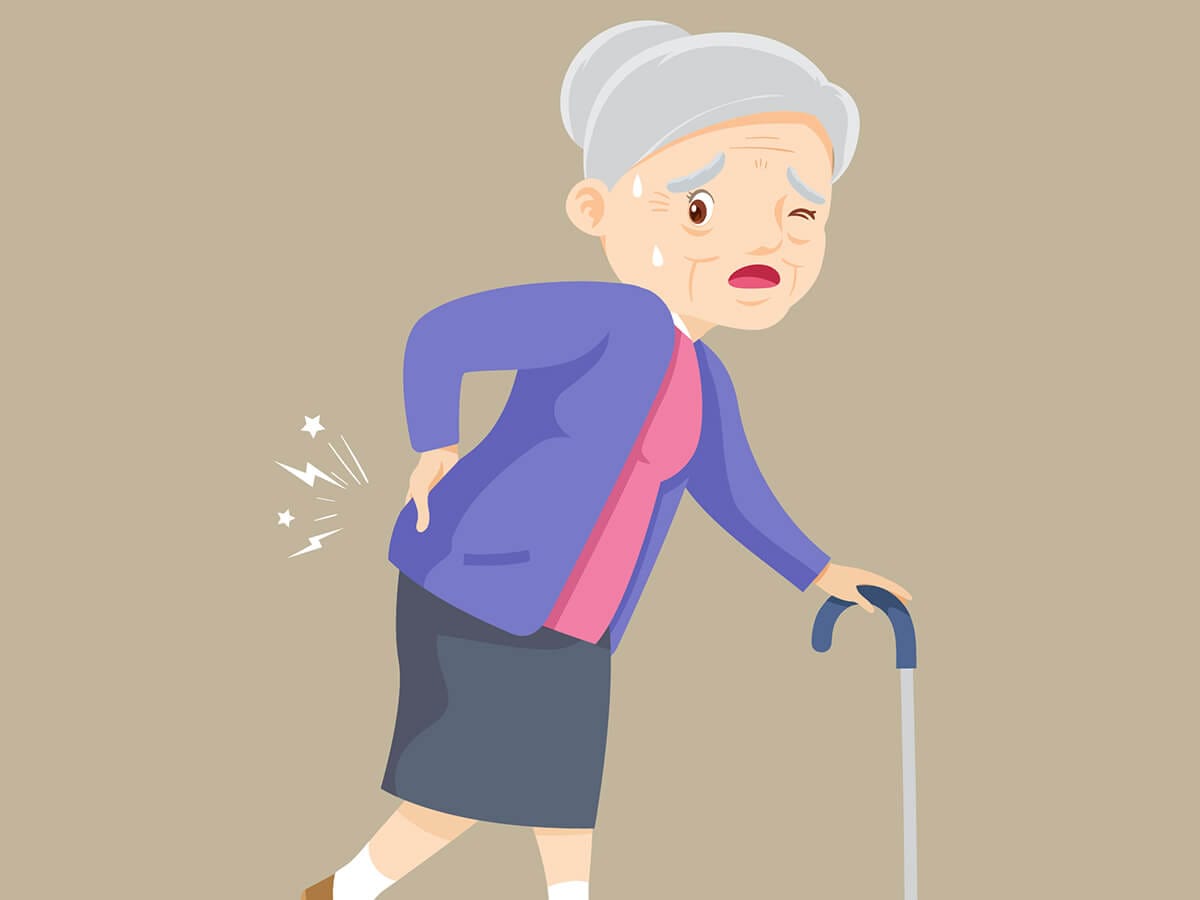
Spinal stenosis occurs when spaces in the spine narrow and compress the nerves. It most often affects adults over 50 and commonly presents as:
- Leg pain or cramping
- Numbness or tingling
- “Heavy legs” when walking
- Pain relief when bending forward
- Back stiffness
- Difficulty standing for long periods
There are two main types:
1. Central Canal Stenosis
Narrowing of the main spinal canal — often from disc bulges, arthritis, or ligament thickening.
2. Foraminal Stenosis
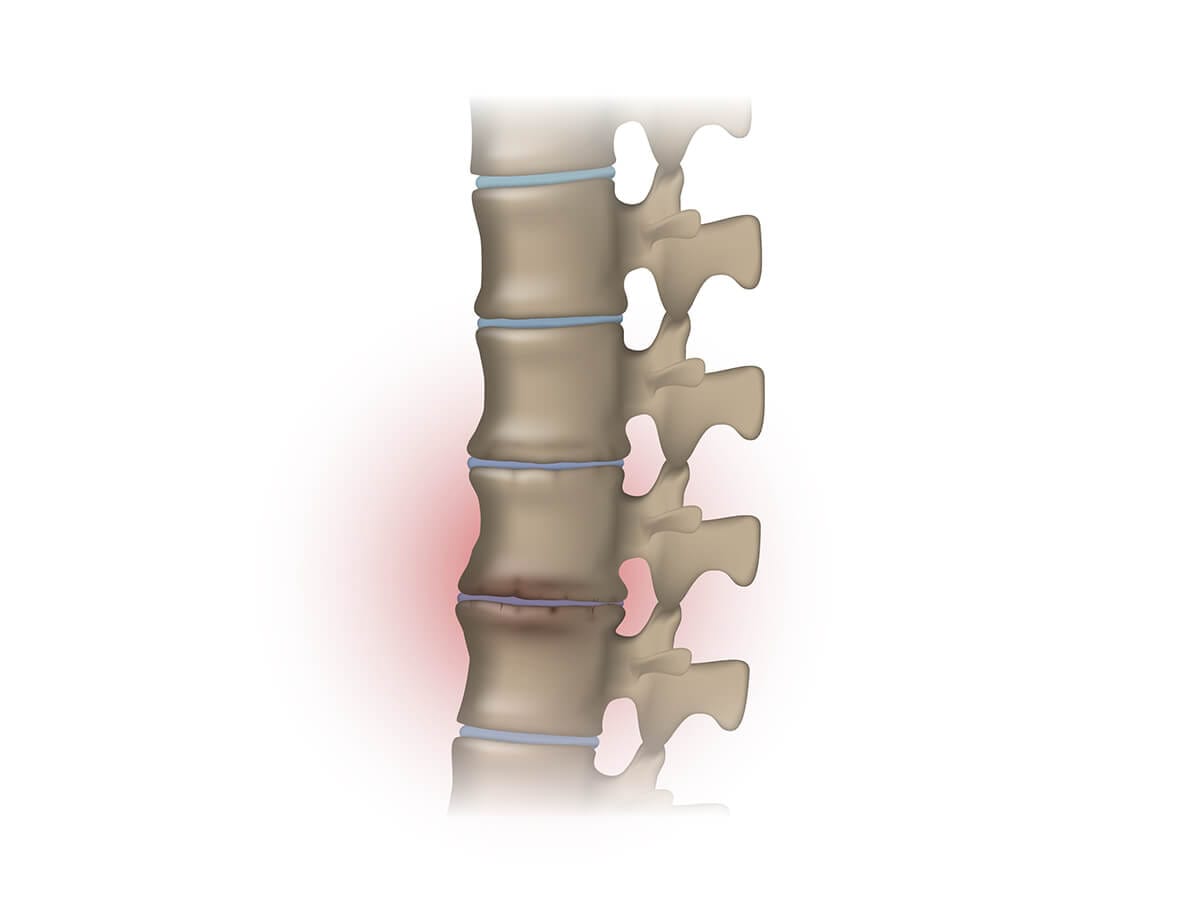
Narrowing of the openings where nerves exit the spine — often caused by disc height loss or bone spurs (often known as Disc Degenerative Disease).Both types can respond very well to structured, non-surgical management.
Why Surgery Isn’t the Only Option
Most people with spinal stenosis do not require surgery, and modern evidence supports conservative care as the first-line approach.Reasons surgery is not always the best first choice:
- Surgery carries risks and recovery time
- Long-term outcomes are often similar to conservative care
- Conservative treatment strengthens the spine, which surgery does not
- Many patients improve when the mechanical stresses causing stenosis are corrected
What ACP and NICE Actually Say
Two of the world’s most respected medical guideline bodies:
- ACP (American College of Physicians): The largest medical-specialty organization in the U.S.
- NICE (National Institute for Health and Care Excellence): The U.K.’s authority for evidence-based clinical recommendations
Both recommend non-surgical care first, emphasizing:
- Exercise therapy
- Manual therapy
- Postural and movement education
- Self-management strategies
- Non-Surgical Spinal Decompression (where appropriate)
- Avoiding surgery unless absolutely necessary
How Non-Surgical Spinal Decompression Helps Stenosis
SpineMED® Spinal Decompression Therapy is uniquely effective for stenosis caused by disc bulging, disc height loss (Disc Degenerative Disease), or foraminal narrowing.How it works:
- Gently reduces pressure inside the disc
- Helps retract bulging disc material
- Creates space around irritated nerves
- Improves disc hydration
- Reduces inflammation
- Promotes healing through enhanced nutrient flow
Patients often report improvements in:
- Leg pain
- Numbness or tingling
- Walking and standing tolerance
- Morning stiffness
- Chronic low back pain
It is one of the most evidence-supported and clinically effective non-surgical options for stenosis.
How Long Does Natural Healing Take?
Healing depends on the severity of nerve compression, age, movement patterns, and daily habits — but research shows:
- 6–12 weeks: Noticeable symptom improvement
- 12–20 weeks: Increased healing and resorption of disc material
- 3–12 months: Progressive improvement and stabilization
- Some cases: Persistent symptoms if the disc or joint continues to overload the nerve
This topic is essential because stenosis rarely appears “overnight.”Most stenosis symptoms develop from years of accumulated spinal stress. The “flare-up moment” is usually just the event that exposed a deeper mechanical issue.Just like scratching a scab before it heals, continuing harmful movement habits prevents the spine from stabilizing.
Factors That Delay or Prevent Long-Term Healing
Here are the most common reasons stenosis symptoms return or fail to improve:
1. Prolonged Sitting
Increases pressure on discs and narrows the foraminal spaces.
2. Repeated Flexion Loading
Rounded-back bending stresses posterior disc tissue and further narrows the canal.
3. Poor Movement Patterns
If a patient doesn’t use a proper hip hinge, almost every bending task irritates the spine.
(Insert your hip hinge video link here.)
4. Smoking
Nicotine reduces disc hydration and compromises spinal tissues.
5. High BMI
Excess body weight increases axial load on the spine.
6. Ongoing Mechanical Compression
Discs need time out of compression to rehydrate and heal.
7. Spinal Misalignments
Misalignment works like “poor wheel alignment” in a car — it causes uneven wear and stress.When these stresses persist, natural healing slows or stops.
Chiropractic Adjustments for Stenosis Patients
Chiropractic adjustments — delivered in your clinic with individualized technique selection — help:
- Improve segmental mobility
- Reduce joint stiffness
- Enhance nerve function
- Decrease muscle guarding
- Correct mechanical strain
- Improve posture and load distribution
For stenosis patients, precision matters more than force.
Your McGill-based assessment guides which techniques will offer the most relief.
Targeted Exercise: Essential for Long-Term Relief
Because stenosis is fundamentally a load-management problem, exercise plays a crucial role.Programs typically include:
- McGill Big 3 (core endurance)
- Hip mobility and glute activation
- Postural strengthening
- Walking intervals
- Directional preference exercises
- Load modification strategies
Movement retraining reduces stress on the lumbar canal and helps prevent flare-ups.
When Is Surgery Necessary?
Surgery is typically considered only when:
- There is progressive leg weakness
- Bowel or bladder control is affected
- Pain remains disabling after 12+ weeks of high-quality conservative care
- Daily function is severely affected
Fortunately, most patients never reach this point — especially those who begin a structured conservative program early.
Your Personalized Non-Surgical Plan at Fairway Chiropractic / Disc Repair Clinic
Patients typically receive a combination of:
- SpineMED® Spinal Decompression Therapy
- Chiropractic adjustment (also known as spinal manipulation)
- McGill Method–based rehabilitation
- Posture and movement coaching
- Custom orthotics if needed to improve weight distribution on the spine from the ground-up.
- Lifestyle and ergonomic recommendations
This integrated approach addresses both the symptoms and the mechanical causes of spinal stenosis.If spinal stenosis is limiting your walking, standing, or daily activities, you don’t have to live with it — and surgery is not your only option.At the Disc Repair Clinic (inside Fairway Chiropractic Centre), we help patients find relief through SpineMED® decompression, movement retraining, and evidence-based chiropractic care.Call 519-748-5535 or book online to find out whether you’re a candidate for non-surgical spinal stenosis care.
Author
Dr. Nik Dukovac, DC Fairway Chiropractic Centre / Disc Repair Clinic
Kitchener • Waterloo • Cambridge
McGill Method–informed clinician • SpineMED® provider • Published chiropractic researcher