


Quick Answers
Q: Can a herniated disc heal on its own?
→ Yes. Many herniated discs heal naturally over time through resorption, reduced inflammation, and mechanical unloading.
Q: How long does healing take?
→ For some, weeks. For others, months. Most improvements occur between 6–20 weeks.
Q: When does natural healing stall?
→ When inflammation remains high, nerve compression continues, or disc hydration cannot improve.
Q: What helps discs heal faster?
→ Non-surgical spinal decompression, McGill Method stabilization, lifestyle changes, and chiropractic adjustment (also known as spinal manipulation).
Q: When should someone consider non-surgical options?
→ If symptoms last longer than 4–6 weeks, or if leg pain, numbness, or weakness affects daily life.
By Dr. Nikola Dukovac, Chiropractor — Fairway Chiropractic Centre & Disc Repair Clinic (Kitchener, ON)
Why This Question Matters
Most people with a herniated disc want to know two things:
- Will this get better on its own?
- Do I have to consider surgery?
The encouraging reality is that most herniated discs do heal naturally, and very few patients ever need surgery. But outcomes depend heavily on how the disc is treated during healing and whether the mechanical habits that caused the injury are corrected.This is where evidence-based conservative care — including SpineMED® non-surgical spinal decompression, chiropractic adjustment, and McGill-style stabilization — plays a central role
How a Herniated Disc Heals (The Science in Plain English)
The body has a remarkable ability to repair disc injuries. Research shows three main healing mechanisms:
1. Inflammatory Resorption
The immune system can gradually break down and resorb the disc material that has protruded into the spinal canal.
2. Reduced Mechanical Pressure on Nerve Roots
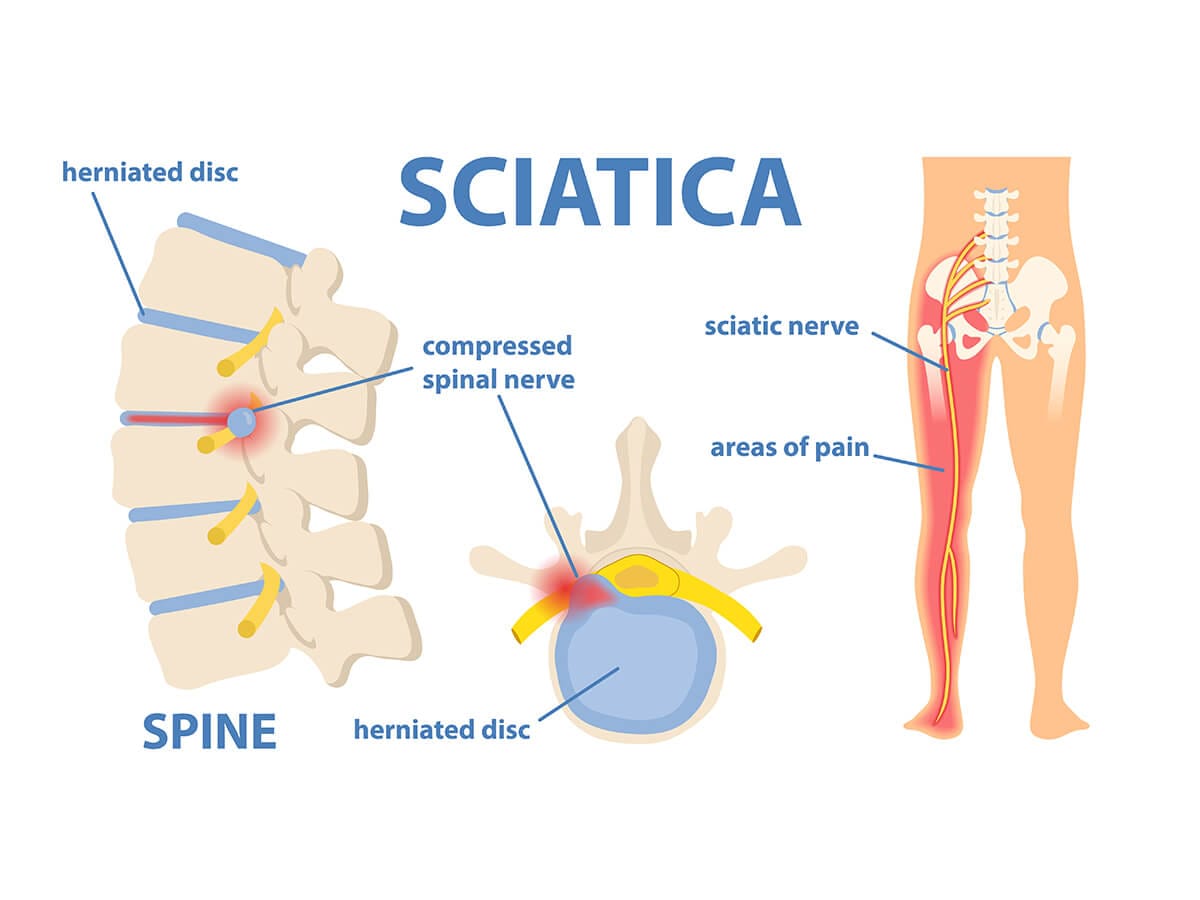
As the herniation shrinks and inflammation decreases, nerve irritation reduces, and symptoms begin to settle.
3. Improved Disc Hydration and Nutrition
Discs heal through movement and pressure changes that pump nutrients in and out — a process enhanced by decompression and proper biomechanics.When these processes function properly, many patients recover without surgical intervention.
How Long Does Natural Healing Take?
Healing times vary by age, severity, level of disc damage, lifestyle habits, and biomechanics, but peer-reviewed studies show consistent patterns:
- 6–12 weeks: Many patients experience meaningful improvement
- 12–20 weeks: Disc resorption often accelerates
- 3–12 months: Ongoing recovery and stabilization
- Some cases: Persistent symptoms if the disc does not retract adequately or nerve compression continues
This natural timeline only holds true, however, when the daily stresses causing the herniation are removed.
Why Some Herniated Discs Don’t Heal: The Real Reason Symptoms Persist
Most disc herniations don’t truly “happen suddenly.” Even if pain appeared at a specific moment, the underlying disc damage typically develops gradually over months or years due to accumulated stress.That sharp pain people feel is simply:The final overload — the last straw that broke the camel’s back.This leads to one of the most important concepts in disc healing:If you do not change the habits and mechanical stressors that caused the disc herniation, the disc cannot heal. It’s like picking a scab every day and wondering why the wound never closes.Discs require periods of reduced pressure, proper movement patterns, and improved stability to rehydrate and repair. Without these changes, natural healing slows or stops.
7 Common Factors That Delay or Prevent Disc Healing
These are the most frequent reasons herniated discs fail to improve or repeatedly flare:
1. Prolonged Sitting
Increases disc pressure, especially in a slouched posture.
2. Repeated Flexion Loading
Activities where the lower back rounds place high strain on the injured posterior disc fibers.
3. Poor Movement Patterns
Without a consistent hip-hinge strategy in daily life, the spine absorbs repetitive stress.

4. Smoking
Nicotine weakens disc collagen and slows healing.
5. High BMI
Greater compressive forces on the discs, especially at L4–L5 and L5–S1.
6. Ongoing Mechanical Compression
If the disc rarely receives periods of unloading, it cannot rehydrate or heal effectively.
7. Spinal Misalignments
Misalignment functions like poor wheel alignment: it creates uneven load and accelerates disc stress.
The Bottom Line
When these stressors persist, the disc cannot rehydrate, inflammation continues, and recovery plateaus — which is why structured, corrective care becomes essential.
Where Non-Surgical Treatment Fits In
If natural healing stalls, evidence supports the use of targeted conservative treatments to restore disc mechanics and reduce nerve irritation.
Non-Surgical Spinal Decompression
SpineMED® decompression gently unloads the spinal discs, helping to:
- Create negative intradiscal pressure
- Retract herniated material
- Improve disc hydration
- Reduce nerve compression
- Decrease inflammation
This is especially effective for patients who have tried multiple providers without success.
Chiropractic Adjustment
(Also known as spinal manipulation) Chiropractic adjustment complements decompression by:
- Removing stress on the nervous system thereby allowing the effectiveness of the non-surgical spinal decompression therapy to be more effective.
- Improving joint mobility
- Reducing protective muscle tension
- Enhancing biomechanics
- Supporting better movement patterns during rehab
Research Highlights
Disc Resorption Is Common
A major review in Pain Physician (2017) found:
- 66.6% of herniated discs resorb naturally
- Larger herniations tend to resorb faster
Non-Surgical Spinal Decompression Therapy Supports Disc Healing
Studies demonstrate improved disc height, lower intradiscal pressure, and better outcomes for disc-related pain when spinal decompression therapy is used appropriately.
Guidelines Recommend Conservative Care First
ACP (American College of Physicians) and NICE (National Institute for Health and Care Excellence) guidelines emphasize:
- Exercise
- Spinal manipulation
- Patient education
- Lifestyle modification
- Decompression (when available)
before considering surgical options.
Who Should Consider Decompression?
Decompression is often recommended for:
- Herniated or bulging discs
- Sciatica
- Disc height loss
- Degenerative disc disease
- Chronic low back pain
- Recurring disc flare-ups
- Patients wanting to avoid surgery
Fairway Chiropractic Centre sees consistent success in these groups, especially when decompression is combined with McGill-based stabilization and individualized Chiropractic care.
Heal Your Herniated Disc Without Surgery
If you’ve been told surgery is your next step — or you’ve tried multiple treatments without progress — there is still hope.At the Disc Repair Clinic inside Fairway Chiropractic Centre, we help patients recover naturally using SpineMED® non-surgical spinal decompression, evidence-based chiropractic care, and personalized rehabilitation.Call 519-748-5535 or book online to schedule your consultation.
Author
Dr. Nik Dukovac, Chiropractor Fairway Chiropractic Centre & Disc Repair Clinic
Kitchener–Waterloo’s trusted provider for disc rehabilitation, spinal decompression, sports performance, and evidence-based chiropractic care.